Best Time to Visit Golden Triangle: Month-by-Month
- Golden Triangle
- Best time to visit
- Taj Mahal
- Delhi Agra Jaipur
The Golden Triangle is best from October to March, with comfortable days for Delhi, Agra and Jaipur. Here is a month-by-month guide to weather, fog, crowds, prices and festivals, plus the best months by travel style.
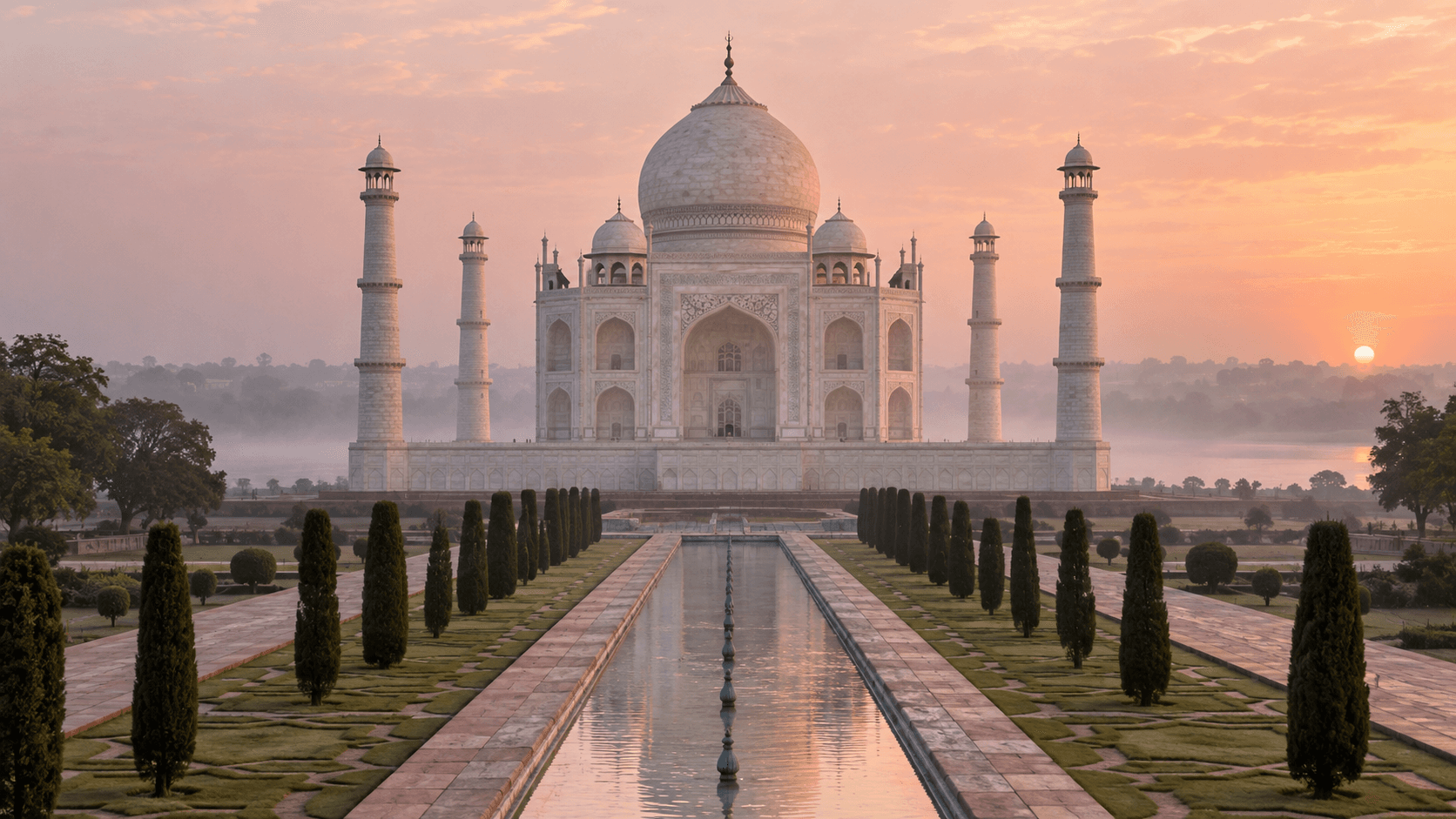
The best time to visit the Golden Triangle — Delhi, Agra and Jaipur — is from October to March, when days are warm and sunny and evenings are cool. October, November, February and March are the sweet spots; December and January are pleasant by day but can bring dense morning fog that delays trains and hides the Taj Mahal at sunrise. April to June is very hot, and the July-to-September monsoon is humid but quieter and cheaper.
All three cities sit on the hot, dry plains of North India, so their seasons move together. This guide gives a month-by-month view of weather, crowds, prices and festivals, explains how fog affects the circuit, suggests the best months by travel style and shows when to book.
The seasons
- Autumn (October to November): warm days, clearing skies after the monsoon, Dussehra and Diwali celebrations.
- Winter (December to February): cool to cold, sunny afternoons, dense fog on many mornings in December and January.
- Spring (March): warming days, Holi, good light for photography.
- Summer (April to June): very hot and dry, with occasional dust storms.
- Monsoon (July to September): humid, with heavy showers and green surroundings.
Golden Triangle month by month
| Month | Weather | Crowds and prices | Festivals and notes |
|---|---|---|---|
| January | Cold mornings, fog, mild afternoons | Busy early in the month | Republic Day parade in Delhi (26 January), kite flying in Jaipur |
| February | Pleasant, clearer skies | Busy | Taj Mahotsav in Agra, spring gardens |
| March | Warm, clear | Moderate | Holi; excellent for photography |
| April | Hot | Quiet, lower prices | Early mornings only |
| May | Very hot | Quiet | Heat makes sightseeing tiring |
| June | Very hot, pre-monsoon storms | Quiet | Monsoon arrives late in the month |
| July | Monsoon, humid | Low prices | Teej in Jaipur |
| August | Monsoon | Low prices | Independence Day (15 August) |
| September | Monsoon easing | Low to moderate | Green surroundings |
| October | Warm, clear | Rising | Dussehra, Diwali (October or November) |
| November | Pleasant | Busy | Diwali; air quality in Delhi can be poor |
| December | Cool, foggy mornings | Very busy at Christmas and New Year | Winter sun in the afternoons |
Festival dates follow the Hindu lunar calendar and change each year, so confirm them before booking.
Peak season: October to March
This is the most comfortable time for long days of sightseeing at the Red Fort, Humayun's Tomb, the Taj Mahal, Agra Fort, Fatehpur Sikri and Amber Fort. Skies are generally clear, and the light is beautiful for photography. It is also the busiest period, particularly around Diwali, Christmas and New Year, when hotels in Agra and Jaipur fill up and prices rise. Book two to three months ahead for these weeks.
Winter fog and air quality
From late December to mid-January, dense fog often blankets the plains in the early morning. It can delay or cancel trains and flights, slow road travel and occasionally hide the Taj Mahal at sunrise. Fog usually lifts by late morning. Plan a buffer in your schedule, choose road travel by private car for flexibility, and consider seeing the Taj at sunset from Mehtab Bagh as a backup. In November, Delhi's air quality can be poor; check daily forecasts and plan indoor visits on bad days.
Summer and monsoon
From April to June, temperatures regularly exceed 40°C, making midday sightseeing exhausting. If summer is your only option, start at dawn, rest in the afternoon and return to monuments in the late afternoon, and choose hotels with pools. The monsoon, from July to September, brings humidity and showers, but monuments are less crowded, hotel rates are lower, and the Taj Mahal can look striking under dramatic skies.
Best months by travel style
| Travel style | Best months | Why |
|---|---|---|
| First visit | October, November, February, March | Comfortable weather and clear skies |
| Festivals | October to March | Diwali, Republic Day, Holi, kite festival |
| Photography | February, March, October | Clear light, fewer fog days |
| Families with parents | October, November, February | Mild days without fog or heat |
| Budget travellers | April, July to September | Lowest hotel rates |
| Wildlife add-on (Ranthambore) | October to June | Park season; best sightings March to May |
With parents and children by season
For families with older parents, October, November, February and March are best: mild temperatures make fort climbs and long walks easier, and the absence of fog keeps travel days smooth. In December and January, bring warm layers for cold mornings and plan later starts. Avoid summer travel with young children or elderly parents, as the heat can be dangerous. Children enjoy Jaipur's forts and the Jantar Mantar's giant instruments in any cool month.
How far ahead to book
For Diwali, Christmas and New Year, book hotels three to four months ahead, especially in Agra, where rooms with Taj views are limited. Book Taj Mahal sunrise tickets and trains as soon as your dates are fixed. In other peak months, two to three months is usually enough; in summer and the monsoon, shorter lead times are fine.
Matching the route to the season
In the cooler months, our Tales and Trails of the Golden Triangle covers the classic loop. Extend to Udaipur with Heritage and Royal Splendour, add leopard country with Royal Routes and Wilderness Trails, or add the ghats with Golden Triangle and Sacred Varanasi, best from October to March. Our New Delhi and Jaipur guides help plan each city.
Timing mistakes to avoid
- Planning Agra on a Friday: the Taj Mahal is closed to general visitors that day.
- Scheduling early trains in late December: fog delays are common; travel by road or later in the day.
- Ignoring Delhi's air quality in November: check forecasts and plan indoor museums on poor days.
- Squeezing sightseeing into summer afternoons: from April to June, rest indoors between noon and four.
What to pack by season
- October to March: layers, a warm jacket for December and January mornings, comfortable shoes.
- April to June: loose cotton clothing, a hat, sunglasses and plenty of water.
- July to September: light rain gear and breathable clothes.
- All year: a scarf for mosques and temples and a mask for dusty or smoggy days.
For a full planning overview, see our Golden Triangle trip planning guide. With one named planner and WhatsApp support throughout, your route can be timed for clear skies, sunrise at the Taj and the festivals you want to see.
Your questions, answered
What is the best month to visit the Golden Triangle?
October, November, February and March offer the best balance of pleasant weather and clear skies. December and January are cool and festive but can bring dense morning fog.
Is fog a problem for seeing the Taj Mahal?
In December and January, dense morning fog can hide the Taj Mahal at sunrise and delay trains and flights. Plan a flexible Agra morning or a second chance at sunset from Mehtab Bagh.
Is the Golden Triangle too hot in summer?
Yes. April to June is very hot in Delhi, Agra and Jaipur, often above 40°C. If you travel then, sightsee at dawn and dusk and rest indoors in the afternoon.
Is the monsoon a good time to visit the Golden Triangle?
The monsoon, July to September, brings humidity and showers but also fewer crowds, lower prices and dramatic skies over the monuments. It suits flexible travellers who do not mind the heat.
Join Our Newsletter
Get destination guides, tips, and inspiration delivered straight to your inbox.
The Golden Triangle, timed right
Delhi, Agra and Jaipur in the best season
Tell us when you can travel and we will plan the Golden Triangle around the weather, Taj Mahal sunrise and festivals, with a private car and guides.
Written by
BagPackerMe Editorial Team
Read More
Continue exploring
Golden Triangle GuidesOctober 14, 2026•6 min read
Golden Triangle Trip Planning Guide: Routes, Seasons and Stays
The Golden Triangle links Delhi, Agra and Jaipur into India's most popular heritage circuit. Here is who it suits, how many nights, the best months, how to travel between the cities and how to extend it.
 Rajasthan Guides
October 17, 2026•6 min read
Best Time to Visit Rajasthan: Month-by-Month Guide
Rajasthan is best from October to March, with warm days, cool nights and festivals. Here is a month-by-month guide to weather, crowds, prices and festivals, plus the best months by travel style.
 Kerala Guides
October 17, 2026•5 min read
Best Time to Visit Kerala: Month-by-Month Guide
Kerala is pleasant from October to March, lush and restorative in the monsoon, and hot in April and May. Here is a month-by-month guide to weather, crowds, prices and festivals, plus the best months by travel style.