Golden Triangle Trip Planning Guide: Routes, Seasons and Stays
- Golden Triangle
- Delhi Agra Jaipur
- Taj Mahal
- India heritage tour
The Golden Triangle links Delhi, Agra and Jaipur into India's most popular heritage circuit. Here is who it suits, how many nights, the best months, how to travel between the cities and how to extend it.
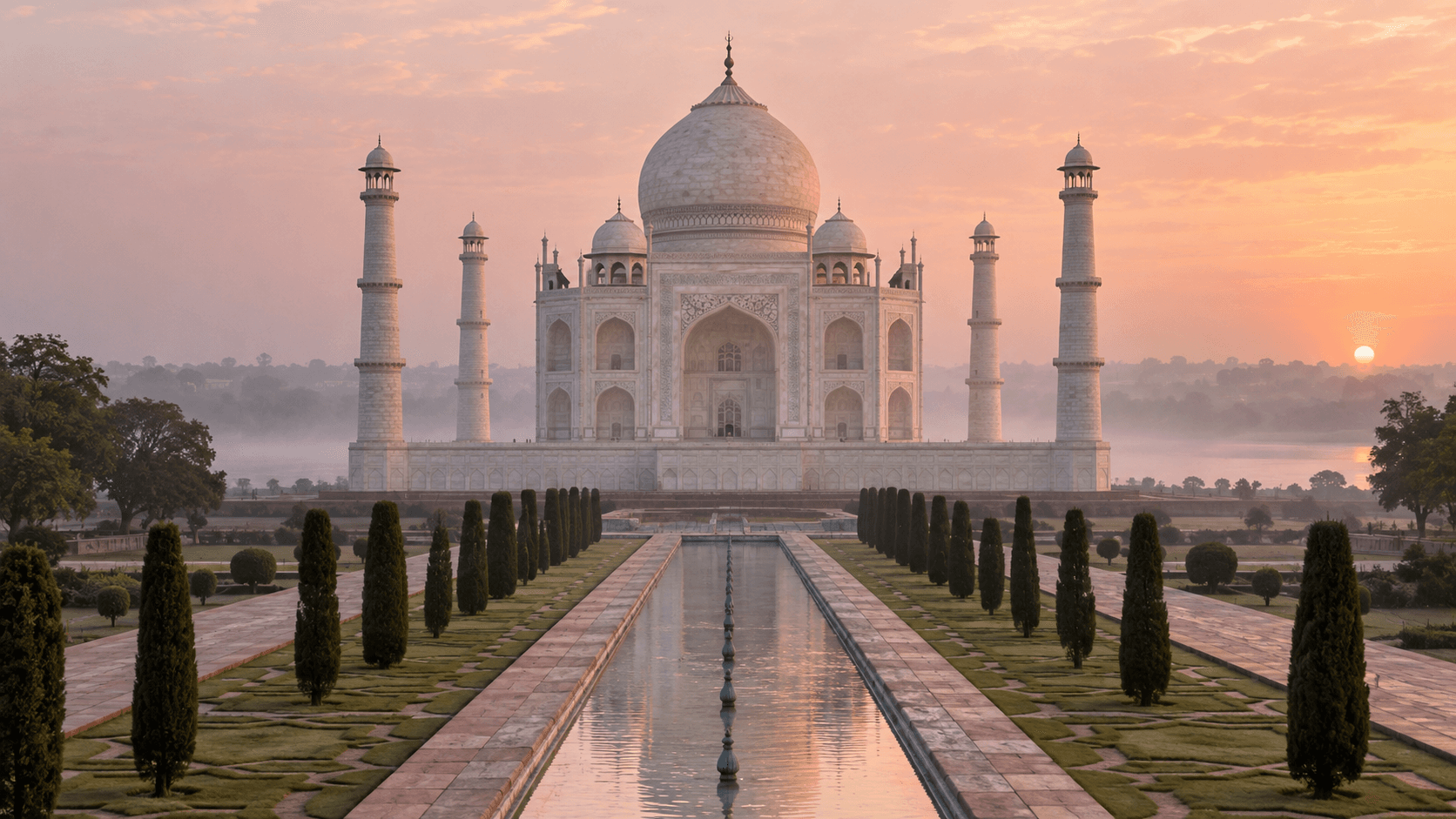
The Golden Triangle — Delhi, Agra and Jaipur — is India's best-known heritage circuit and the easiest way to see the Taj Mahal, Mughal monuments and Rajput forts in under a week. Plan five or six nights, travel between October and March, see the Taj Mahal at sunrise, and use a private car so you can stop at Fatehpur Sikri on the way to Jaipur. With extra time, extend to Udaipur, Jawai or Varanasi.
The three cities sit roughly 200 to 250 kilometres apart, linked by expressways and fast trains. The circuit is straightforward, but timing matters: the Taj is closed on Fridays, winter fog can disrupt mornings, and crowds peak during Indian holidays. This guide helps you plan around all three.
Who the Golden Triangle suits
- First-time visitors to North India: the most iconic monuments in one short loop.
- Families and parents: good roads, comfortable hotels and short travel days.
- NRI families showing India to children: history made vivid at the Red Fort, the Taj and Amber.
- Travellers with limited leave: five nights covers the essentials.
The three cities
| City | Highlights | Nights |
|---|---|---|
| Delhi | Humayun's Tomb, Qutub Minar, Jama Masjid, Chandni Chowk, India Gate, Lodhi Garden | 2 |
| Agra | Taj Mahal at sunrise, Agra Fort, Mehtab Bagh at sunset, Itimad-ud-Daulah | 1–2 |
| Jaipur | Amber Fort, City Palace, Hawa Mahal, Jantar Mantar, Nahargarh, bazaars | 2 |
Our New Delhi and Jaipur guides go deeper on each city.
When to go
October, November, February and March offer the best balance of comfortable weather and clear skies. December and January are cool and pleasant by day, but dense fog in the early mornings can delay trains and flights and sometimes hide the Taj at sunrise; keep plans flexible. April to June is extremely hot, and the monsoon (July to September) brings humidity, though the Taj looks striking under monsoon skies. Diwali, Christmas and New Year are the busiest periods.
How to reach and travel between cities
Delhi is the natural start, with international and domestic flights from every Indian city. From Delhi to Agra, the Yamuna Expressway takes roughly three to four hours, and fast trains take around two hours. From Agra to Jaipur by road takes about four to five hours, with Fatehpur Sikri and the Abhaneri stepwell as worthwhile stops. From Jaipur, fly home or back to Delhi (about four to five hours by road).
Making the most of the Taj Mahal
- Go at sunrise: softer light, cooler temperatures and fewer people. Gates open around sunrise; arrive early to clear security.
- Travel light: many items, including food and large bags, are not allowed inside; leave them in the car or hotel.
- Hire a licensed guide: the history, symmetry and inlay work are far richer explained.
- See it from across the river: Mehtab Bagh gives a sunset view of the Taj without the crowds.
- Stay overnight in Agra: a day trip from Delhi is possible but long and tiring.
Food on the circuit
Each city has its own specialities. In Delhi, try parathas and chaat in Old Delhi and Mughlai food around Jama Masjid. Agra is famous for petha and bedai with aloo sabzi. Jaipur offers Rajasthani thalis, pyaaz kachori and lassi. Vegetarian and Jain food is easy across all three cities, and good hotels will adapt dishes on request.
A sample six-night route
| Nights | Base | Highlights |
|---|---|---|
| 1–2 | Delhi | Old Delhi by rickshaw, Jama Masjid, Humayun's Tomb, Qutub Minar, India Gate in the evening |
| 3–4 | Agra | Taj Mahal at sunrise, Agra Fort, Mehtab Bagh at sunset |
| 5–6 | Jaipur | Fatehpur Sikri en route, Amber Fort, City Palace, Hawa Mahal, bazaars |
Our Tales and Trails of the Golden Triangle follows this classic loop.
Extensions worth adding
- Udaipur: lakes and palaces after the forts; a short flight from Jaipur. See Heritage and Royal Splendour with Udaipur.
- Jawai and Udaipur: leopards on granite hills plus lakeside palaces in Royal Routes and Wilderness Trails.
- Varanasi: the ghats, the Ganga aarti and a sunrise boat ride in Golden Triangle and Sacred Varanasi.
- Ranthambore: two nights for tiger safaris between Agra and Jaipur.
Beyond the monuments
The Golden Triangle can feel like a string of monuments unless you build in experiences. In Delhi, take a food walk through Old Delhi's lanes, visit the Sikh community kitchen at Gurudwara Bangla Sahib, or spend an evening at the Sufi qawwali at Nizamuddin Dargah (Thursday evenings are the most atmospheric). In Agra, watch marble inlay artisans at work, practising a craft descended from the Taj's builders. In Jaipur, try block printing in Sanganer or Bagru, join a cooking class in a family home, or visit Galta Ji, the monkey temple, at sunset.
These small experiences are often what travellers remember most, and they break up long days of sightseeing for children and parents alike.
Travelling with parents or children
The circuit works well for multi-generational families with a few adjustments. Use golf carts or jeeps at Amber Fort instead of climbing, book wheelchairs at the Taj Mahal in advance if needed, and keep each day to one major monument with a long lunch break. Choose hotels with lifts and good restaurants so evenings can be spent in. Children enjoy the Jantar Mantar's giant instruments, the elephants and painted gates of Jaipur, and a rickshaw ride through Old Delhi.
For a smoother trip, schedule Delhi's Old City sights for a weekday morning, when lanes are less crowded, and keep a free afternoon in Jaipur for shopping at your own pace.
Practical tips
- Dress modestly and carry a scarf for mosques and temples; remove shoes where asked.
- Use official ticket counters or online booking for monuments, and ignore touts.
- Keep the morning of your Agra day free of any other commitments.
- Carry a light jacket in winter; mornings can be cold.
The Golden Triangle is a classic for good reason, and a private car with a driver turns it from a checklist into a comfortable journey. If you want to go further, our guide to finding travel experiences off the usual itinerary has ideas. With one named planner and WhatsApp support throughout, the sunrise slots, guides and hotels are all taken care of.
Your questions, answered
How many days are enough for the Golden Triangle?
Five or six nights is ideal: two in Delhi, one or two in Agra and two in Jaipur. Four nights is possible but rushed. Add three or four nights for Udaipur or Varanasi.
What is the best time for a Golden Triangle tour?
October to March is the best period, with pleasant days. December and January bring cold mornings and fog that can delay trains and flights. April to June is very hot.
Is it better to travel the Golden Triangle by car or train?
A private car is the most flexible and lets you stop at Fatehpur Sikri and Abhaneri. Fast trains between Delhi and Agra are quick and comfortable. Many travellers combine both.
When is the Taj Mahal closed?
The Taj Mahal is closed to general visitors on Fridays. Check the Archaeological Survey of India or the official ticketing site for current timings, night-viewing dates and ticket rules before you go.
Join Our Newsletter
Get destination guides, tips, and inspiration delivered straight to your inbox.
The Golden Triangle, privately planned
Delhi, Agra and Jaipur at the right pace
We plan the Golden Triangle with a private car, expert guides and sunrise at the Taj Mahal, with extensions to Udaipur, Jawai or Varanasi.
Written by
BagPackerMe Editorial Team
Read More
Continue exploring
 Meaningful Travel
September 18, 2026•8 min read
How to Find Travel Experiences That Aren’t on Every Tourist Itinerary
A unique experience is not automatically the least-known one or the most expensive one. It is something with genuine local context, clear expectations and room to be present.
 Curated Group Travel
August 7, 2026•9 min read
Why Your Travel Group Matters More Than Your Itinerary
A strong itinerary can make a trip easier. The people around you decide whether it feels generous, tense, funny, quiet or unforgettable.
 Meaningful Travel
September 15, 2026•7 min read
21 Experiences Worth Travelling for in Your 20s and 30s
The trips that stay with you are rarely about collecting the most places. They make room for perspective, people, uncertainty and a more deliberate pace.