Best Time to Visit Rajasthan: Month-by-Month Guide
- Rajasthan
- Best time to visit
- Jaipur
- Udaipur
- Desert festivals
Rajasthan is best from October to March, with warm days, cool nights and festivals. Here is a month-by-month guide to weather, crowds, prices and festivals, plus the best months by travel style.
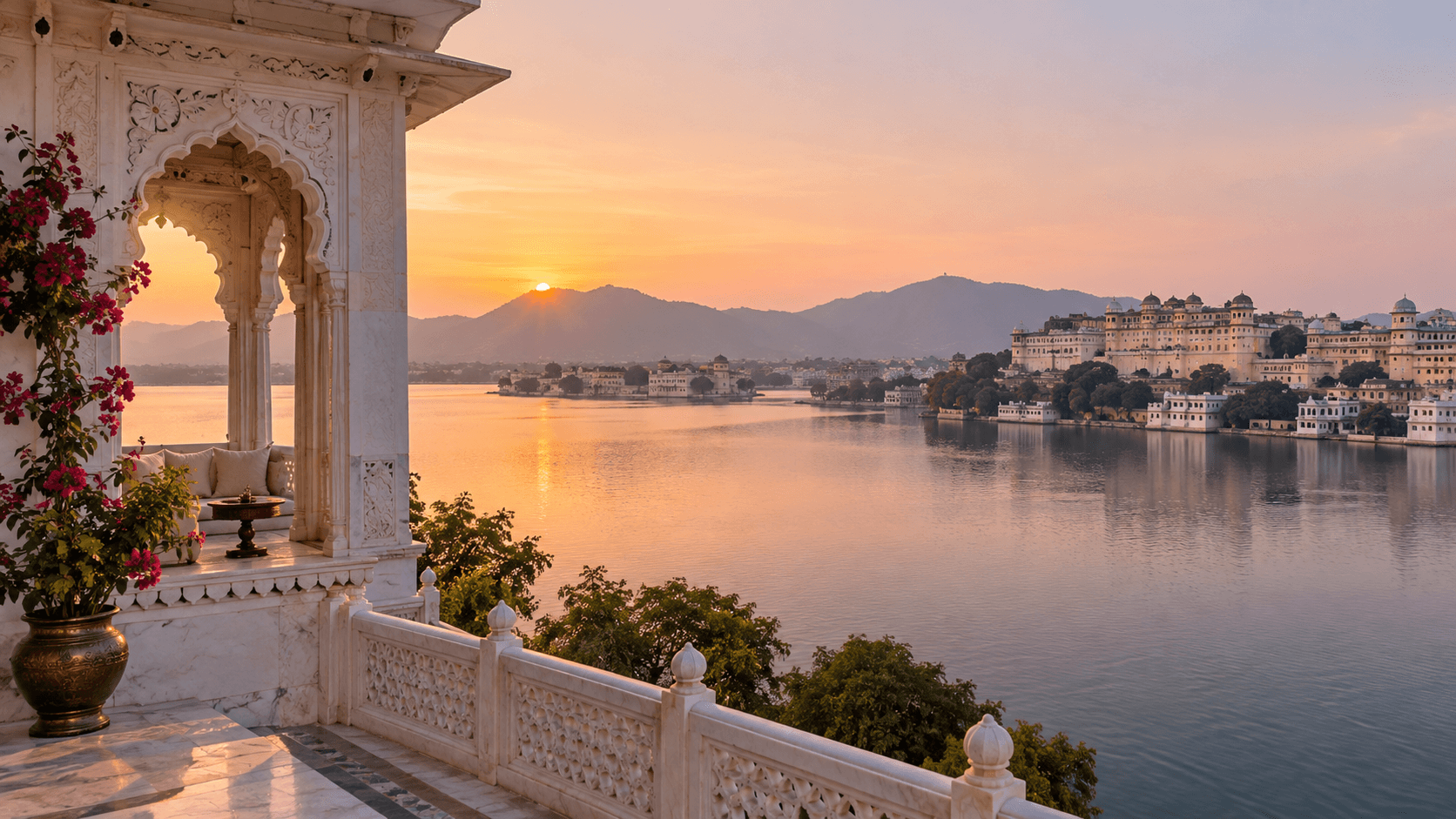
The best time to visit Rajasthan is from October to March, when days are warm and sunny and nights are cool. November to February is the most comfortable and busiest period; October and March are good shoulder months. April to June is very hot, and the monsoon from July to September is ideal for Udaipur's lakes but humid elsewhere. Festival dates, wildlife seasons and your travel style all help decide the best month for your trip.
Rajasthan's climate is shaped by the Thar Desert, which means hot summers, cold desert nights in winter and a short monsoon. This guide gives a month-by-month view of weather, crowds, prices and festivals, and suggests the best months by travel style.
Rajasthan month by month
| Month | Weather | Crowds and prices | Festivals and highlights |
|---|---|---|---|
| January | Cool days, cold nights | Busy | Jaipur Literature Festival, kite flying on Makar Sankranti |
| February | Pleasant | Busy | Jaisalmer Desert Festival (January or February) |
| March | Warming | Moderate | Holi, Gangaur (March or April) |
| April | Hot | Quiet, lower prices | Gangaur, Mewar Festival in Udaipur |
| May | Very hot | Quiet | Mount Abu, early-morning wildlife sightings |
| June | Very hot, pre-monsoon | Quiet | Last weeks of park season |
| July | Monsoon, humid | Low prices | Teej, green Udaipur |
| August | Monsoon | Low prices | Teej, monsoon lakes |
| September | Monsoon easing | Low to moderate | Green landscapes |
| October | Warm, clear | Rising | Dussehra, Diwali (October or November), Marwar Festival in Jodhpur |
| November | Pleasant | Busy | Pushkar camel fair, Diwali |
| December | Cool days, cold nights | Very busy at Christmas and New Year | Desert camps, winter sun |
Most festivals follow the Hindu lunar calendar, so dates change each year; confirm them before booking.
Peak season: November to February
This is Rajasthan at its best for sightseeing: comfortable temperatures for climbing forts, exploring bazaars and desert camping. It is also the busiest and most expensive period, especially around Diwali, Christmas and New Year. Desert nights in Jaisalmer and Bikaner can be close to freezing in December and January, so pack warm layers. Heritage hotels fill up quickly for these weeks; book two to three months ahead.
Summer: April to June
Summer is very hot, particularly in the desert regions around Jaisalmer, Bikaner and Jodhpur. Sightseeing is best limited to early mornings and late afternoons. Prices are lower, and wildlife sightings in Ranthambore and Sariska can be excellent as animals gather near water. Mount Abu, Rajasthan's only hill station, offers relief from the heat.
Monsoon: July to September
The monsoon brings relief from the heat and turns the Aravalli hills green. Udaipur, the City of Lakes, is especially beautiful as its lakes fill. Teej, a festival celebrating the monsoon, brings colourful processions to Jaipur. Humidity can be high, and some rural roads and national park core zones are closed. It is a good time for budget-conscious and romantic trips focused on Udaipur and Jaipur.
Best months by travel style
| Travel style | Best months | Why |
|---|---|---|
| First trip, classic circuit | November to February | Comfortable everywhere |
| Desert camps | November to February | Cool nights, clear skies |
| Festivals | October to March | Diwali, Pushkar, Desert Festival, Holi |
| Tiger and leopard safaris | October to June | Parks open; best sightings in March to May |
| Romantic Udaipur | July to September, February | Full lakes or pleasant weather |
| Budget travellers | April, July to September | Lowest prices |
Matching the route to the season
In peak season, our Heritage Havens with Jodhpur and Heritage Trail with Mandawa cover the classic forts and havelis. For wildlife season, Wild Trails and Royal Tales and Soulmates in the Safari pair heritage with leopards and tigers. Food lovers will enjoy Royal Flavours of Rajasthan in the cooler months. Our Udaipur and Jaipur guides help plan each city.
Shoulder months: October and March
October and March are excellent times for Rajasthan if you want good weather without the peak crowds. In October, the monsoon has passed, the landscapes are still green, and festivals such as Dussehra and the Marwar Festival in Jodhpur bring colour; Diwali often falls in late October or November. In March, days are warm but nights are pleasant, Holi brings celebrations across the state, and hotels offer better rates than in the winter peak. Afternoons can be hot in March, so plan forts and outdoor sights for the mornings.
Rajasthan with parents and children by season
For families with older parents, November to February is the most comfortable time, with mild days for climbing forts and exploring bazaars. Bring warm layers for cold mornings and desert nights, and choose hotels with lifts or ground-floor rooms, since many heritage properties have steep stairs. For children, the Pushkar camel fair, desert camps with camel rides and the elephant-friendly Amber Fort jeep rides are highlights in the cooler months. Avoid summer travel with young children or elderly parents, as the heat can be dangerous.
How far ahead to book
For Diwali, Christmas, New Year and the Pushkar camel fair, book heritage hotels and desert camps three to four months ahead, and even earlier for the most famous palace hotels in Udaipur and Jodhpur. Safari permits for Ranthambore and other parks open online well in advance and sell out quickly for popular zones; book as soon as your dates are fixed. In the shoulder months and the monsoon, shorter lead times are usually fine.
One more tip: weather varies across the state. Udaipur and Mount Abu are generally milder than Jaisalmer and Bikaner in the desert west, which see the greatest swings between hot days and cold nights. Plan your route so the desert falls in the coolest part of your trip.
Whatever the month, start sightseeing early: forts and palaces are cooler, quieter and best lit in the first hours after opening.
What to pack by season
- November to February: warm layers for nights, a light jacket, sun protection by day.
- March to June: loose cotton clothing, a hat, sunglasses and plenty of water.
- July to September: light rain gear and breathable clothes.
- All year: a scarf for dust and modest dress for temples.
For a full planning overview, see our Rajasthan trip planning guide. With one named planner and WhatsApp support throughout, your route can be timed for the festivals, wildlife or weather you want most.
Your questions, answered
What is the best month to visit Rajasthan?
November to February offers the most comfortable weather for sightseeing across Rajasthan. October and March are good shoulder months with fewer crowds and slightly lower prices.
Is Rajasthan too hot in summer?
Yes. April to June is very hot, with temperatures in the desert regions often well above 40°C. If you must travel then, choose Udaipur or Mount Abu, plan sightseeing for early mornings, and stay in hotels with pools.
Is the monsoon a good time to visit Udaipur?
Yes. From July to September, Udaipur's lakes fill, the Aravalli hills turn green and the city is quieter. It is humid, and some days are rainy, but it is a lovely time for a slow, romantic visit.
When are Rajasthan's national parks open?
Core zones of parks such as Ranthambore generally open from October to June and close during the monsoon. Some buffer zones stay open longer. Check official booking portals for current dates.
Join Our Newsletter
Get destination guides, tips, and inspiration delivered straight to your inbox.
Rajasthan, timed right
Forts, festivals and the desert
Tell us when you can travel and we will match your Rajasthan route to the season, with heritage stays, safaris and a private driver arranged.
Written by
BagPackerMe Editorial Team
Read More
Continue exploring
 Rajasthan Guides
October 14, 2026•6 min read
Rajasthan Trip Planning Guide: Routes, Seasons and Stays
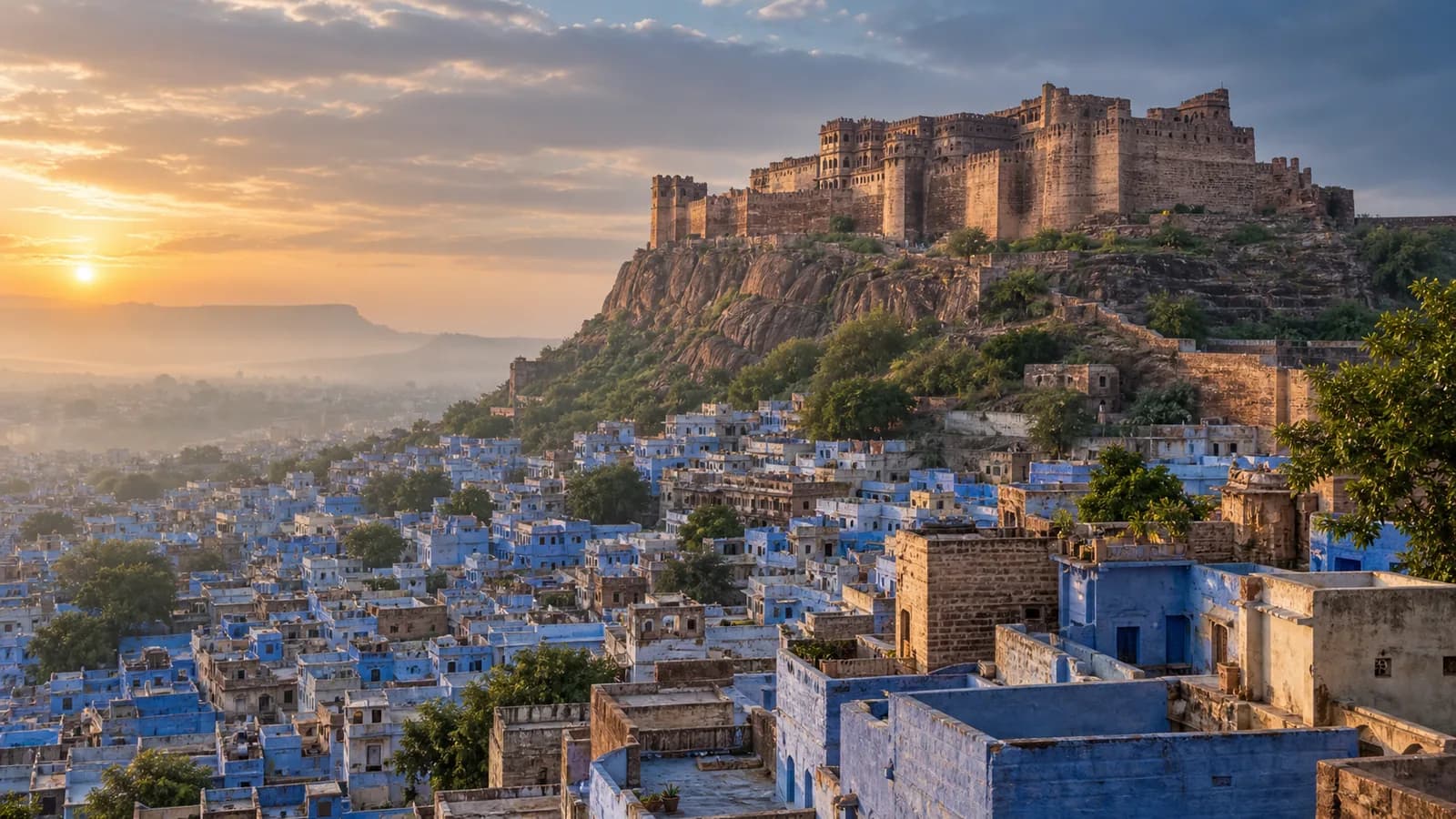
Rajasthan is India's great road trip of forts, palaces, deserts and wildlife. Here is who it suits, how many nights, the best months, how to reach, where to stay and how to build a route that is not too rushed.
 Golden Triangle Guides
October 14, 2026•6 min read
Golden Triangle Trip Planning Guide: Routes, Seasons and Stays
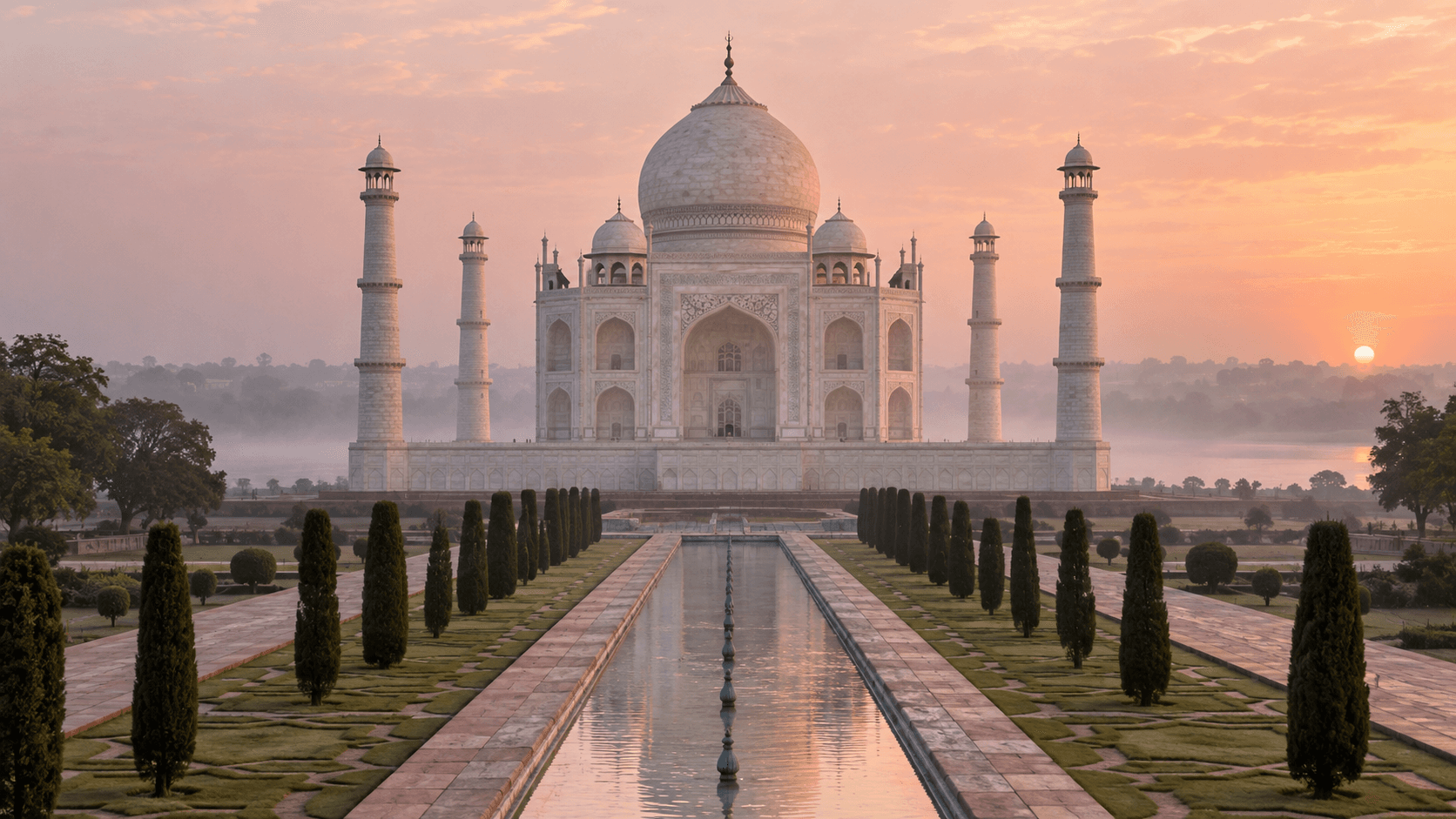
The Golden Triangle links Delhi, Agra and Jaipur into India's most popular heritage circuit. Here is who it suits, how many nights, the best months, how to travel between the cities and how to extend it.
 Kerala Guides
October 17, 2026•5 min read
Best Time to Visit Kerala: Month-by-Month Guide
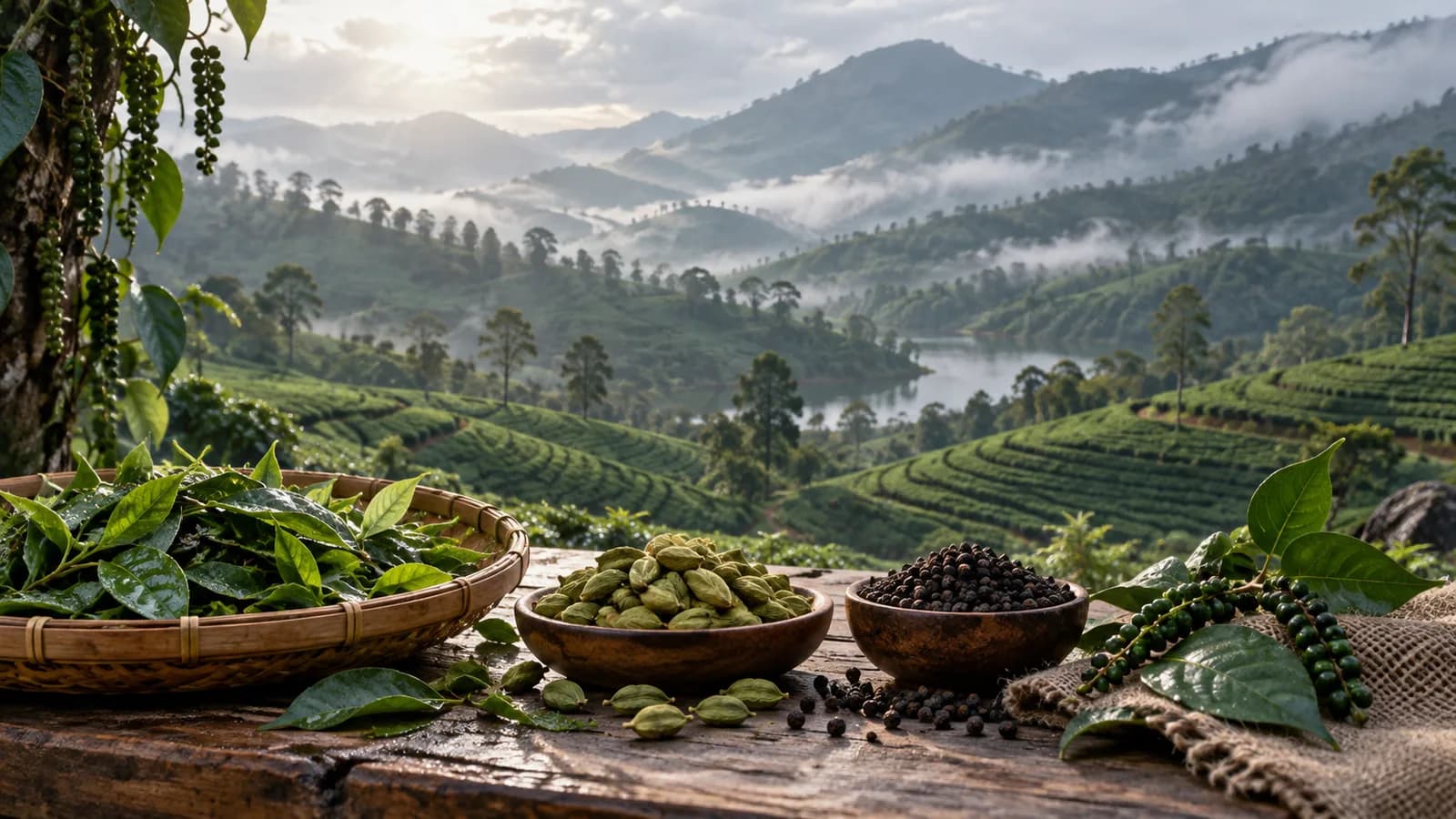
Kerala is pleasant from October to March, lush and restorative in the monsoon, and hot in April and May. Here is a month-by-month guide to weather, crowds, prices and festivals, plus the best months by travel style.