Varanasi and Uttar Pradesh Trip Planning Guide: Routes, Seasons and Stays
- Varanasi
- Uttar Pradesh
- Lucknow
- Prayagraj
- Spiritual travel
Varanasi and Uttar Pradesh offer India's deepest spiritual and culinary journeys. Here is who they suit, how many nights to plan, the best months, how to reach and a route through Varanasi, Lucknow and beyond.
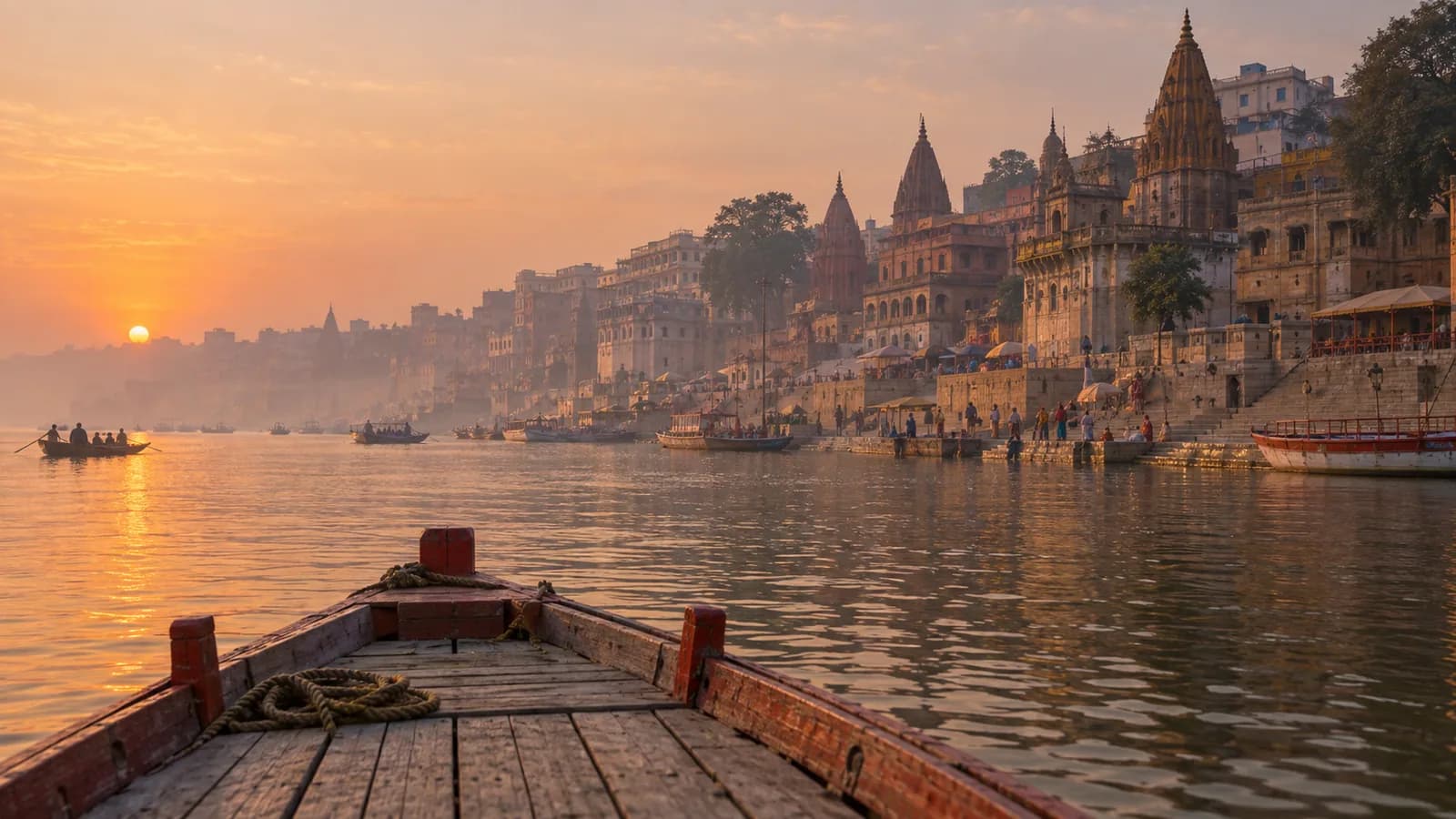
Varanasi and Uttar Pradesh offer some of the most profound travel experiences in India: sunrise on the Ganga, the evening aarti at Dashashwamedh Ghat, the Buddhist sites at Sarnath, and the refined food and architecture of Lucknow. Plan five or six nights to cover Varanasi and Lucknow, travel between October and March, and give Varanasi at least two full days. For a wider loop, the state also links naturally with Agra and the Golden Triangle.
Uttar Pradesh is India's most populous state and covers a vast area, so the key is choosing a few places and seeing them well. This guide covers who a trip here suits, the main destinations, when to go, how to reach, food, practical tips and a sample route.
Who this trip suits
Varanasi and Uttar Pradesh suit travellers who want meaning and history rather than relaxation. Families often come to perform rituals or show children a living tradition; parents value the spiritual significance of Kashi and Prayagraj; photographers and culture lovers come for the ghats, the silk weavers and the music. Food lovers will find Lucknow one of India's great culinary cities.
It is less suited to travellers looking for quiet, open spaces or resort-style rest. Varanasi in particular is intense: crowded, noisy, and deeply moving all at once. Going in with that expectation makes all the difference.
The main destinations
| Place | Highlights | Nights |
|---|---|---|
| Varanasi | Ghats, Ganga aarti, sunrise boat ride, Kashi Vishwanath, old lanes, silk weaving | 2–3 |
| Sarnath | Where the Buddha gave his first sermon; Dhamek Stupa, museum | Half-day from Varanasi |
| Lucknow | Bara Imambara and its maze, Rumi Darwaza, Awadhi food, chikankari | 2 |
| Prayagraj | Triveni Sangam, the confluence of the Ganga, Yamuna and mythical Saraswati | 1 or a day trip |
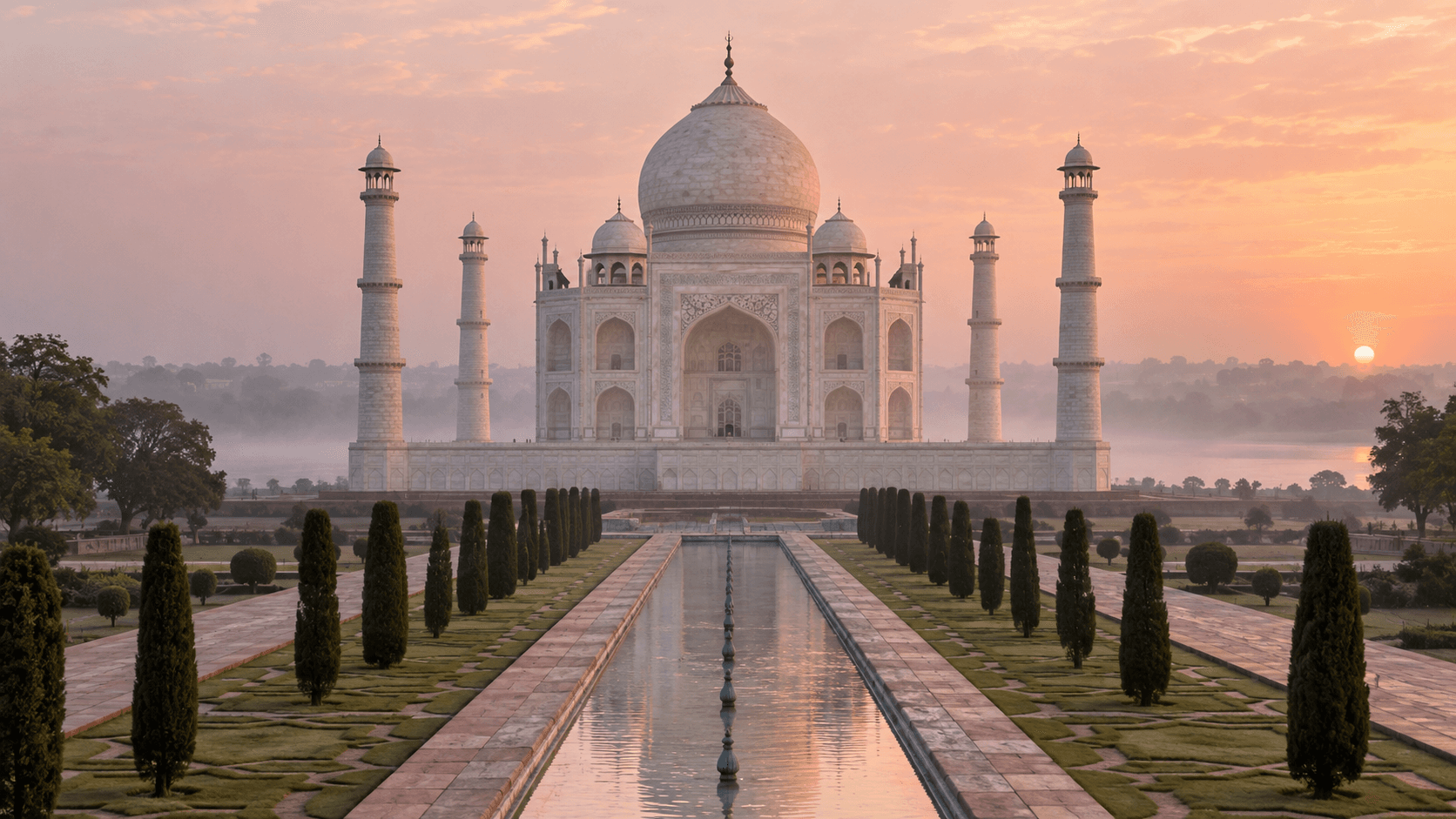
| Agra | Taj Mahal, Agra Fort, Fatehpur Sikri | 1–2 |
| Ayodhya | Temples and ghats on the Sarayu river | 1 |
Experiencing Varanasi well
Varanasi is best understood from the river. A boat ride at sunrise shows the ghats waking up: pilgrims bathing, priests performing rituals, washermen at work and the smoke rising from Manikarnika, the main cremation ghat. Return in the evening for the Ganga aarti at Dashashwamedh Ghat, ideally from a boat, where you can watch the synchronised ritual of lamps, conch shells and chants without being crushed in the crowd.
Between those two moments, walk the old city's narrow galis with a local guide. You will pass tiny shrines, sweet shops, lassi stalls and silk workshops. Visit Kashi Vishwanath Temple, now reached via the broad Kashi Vishwanath Corridor; check current entry rules for mobile phones and bags before you go. Spend a few hours at Sarnath, where the calm deer park and the Dhamek Stupa are a striking contrast to the city.
Lucknow: food and Nawabi heritage
Lucknow is the city of tehzeeb, or refined manners, and of Awadhi cuisine. Non-vegetarians should try galouti and tunday kebabs, nihari and Awadhi biryani; vegetarians will enjoy basket chaat, kachori, malai makhan in winter and the city's many sweet shops. Beyond food, the Bara Imambara with its Bhool Bhulaiya maze, the Rumi Darwaza, the British Residency and the Chota Imambara are all worth seeing. Lucknow is also the home of chikankari embroidery, and a visit to a workshop makes an excellent souvenir hunt.
When to go
| Months | Conditions | Notes |
|---|---|---|
| October–November | Warm days, pleasant evenings | Diwali and Dev Deepawali; book early |
| December–February | Cool to cold, foggy mornings | Fog can delay trains and flights |
| March | Warming up, clear skies | Holi celebrations; good value |
| April–June | Very hot | Visit only if necessary; plan early mornings |
| July–September | Monsoon | Ganga rises; some ghats and boat rides restricted |
Major religious gatherings such as the Kumbh and Magh Mela at Prayagraj draw enormous crowds; if you plan to attend, book accommodation and transport months in advance.
How to reach
Varanasi's Lal Bahadur Shastri International Airport and Lucknow's Chaudhary Charan Singh International Airport both have flights from major Indian cities. Rail connections are excellent, including fast Vande Bharat trains between Delhi and Varanasi. Lucknow and Varanasi are roughly five to six hours apart by road, or a few hours by train. A private car with a driver works best for day trips to Sarnath and for moving between cities with luggage.
A sample six-night route
| Nights | Base | Highlights |
|---|---|---|
| 1–2 | Lucknow | Bara Imambara, Rumi Darwaza, an evening food walk, chikankari workshop |
| 3–5 | Varanasi | Evening aarti from a boat, sunrise boat ride, old city walk, Sarnath, silk weavers |
| 6 | Prayagraj or Varanasi | Triveni Sangam or a slow final morning on the ghats |
Our Enchanted Heritage: Lucknow and Varanasi follows a similar route. Sacred Sands and Spiritual Cities takes a wider spiritual circuit across North India, and Golden Triangle and Sacred Varanasi pairs Varanasi with Delhi, Agra and Jaipur. Our Golden Triangle planning guide explains that circuit.
With parents and children
Many families travel to Varanasi with elderly parents, often for rituals or a long-held wish to see Kashi. The trip can be made comfortable: choose a hotel with car access rather than one reachable only by steps, use boats to move between ghats instead of walking, and arrange a guide who can help with temple visits. Plan one main outing each morning and evening, with a rest in between. Children usually love the boat rides, the floating lamps and the colour of the lanes, but keep a close eye on them in crowds.
Practical tips
- Dress modestly; carry a scarf for temples and mosques.
- Carry small change for offerings, boat tips and street food.
- Drink bottled or filtered water, and eat freshly cooked food at busy stalls.
- Buy Banarasi silk from established shops or cooperatives, and ask about authenticity marks.
- Expect crowds and noise; build quiet time into each day.
A trip to Varanasi and Uttar Pradesh stays with you long after you leave. For more ideas beyond the usual circuit, see our guide to finding travel experiences off the usual itinerary. With one named planner and WhatsApp support throughout, the boats, guides and temple timings are arranged so you can be present for the moments that matter.
Your questions, answered
How many days are enough for Varanasi?
Two or three nights is ideal for Varanasi: enough for a sunrise boat ride, the evening Ganga aarti, a walk through the old lanes and a half-day at Sarnath. Add two nights for Lucknow or combine Varanasi with the Golden Triangle.
What is the best time to visit Varanasi?
October to March is the most comfortable period. Dev Deepawali, usually in November, lights the ghats with lamps and is spectacular but very crowded. December and January mornings can be foggy and cold. April to June is extremely hot.
How do you reach Varanasi?
Varanasi's Lal Bahadur Shastri International Airport has flights from Delhi, Mumbai, Bengaluru, Kolkata and other cities. Varanasi is also well connected by train, including Vande Bharat services from Delhi.
Is Varanasi suitable for elderly parents?
Yes, with planning. The boat rides and aarti viewing can be done seated, but the ghats have steep steps and the old lanes are crowded. Choose a hotel with car access, use a boat to move between ghats, and avoid peak festival days if mobility is limited.
Join Our Newsletter
Get destination guides, tips, and inspiration delivered straight to your inbox.
Varanasi and Lucknow, privately planned
Ghats, aartis and Awadhi kitchens
We plan Uttar Pradesh privately, with sunrise boats on the Ganga, expert guides in the old lanes and Lucknow's food traditions, at a pace that suits your family.
Written by
BagPackerMe Editorial Team
Read More
Continue exploring
 Golden Triangle Guides
October 14, 2026•6 min read
Golden Triangle Trip Planning Guide: Routes, Seasons and Stays
The Golden Triangle links Delhi, Agra and Jaipur into India's most popular heritage circuit. Here is who it suits, how many nights, the best months, how to travel between the cities and how to extend it.
 Meaningful Travel
September 18, 2026•8 min read
How to Find Travel Experiences That Aren’t on Every Tourist Itinerary
A unique experience is not automatically the least-known one or the most expensive one. It is something with genuine local context, clear expectations and room to be present.
 Meaningful Travel
September 15, 2026•7 min read
21 Experiences Worth Travelling for in Your 20s and 30s
The trips that stay with you are rarely about collecting the most places. They make room for perspective, people, uncertainty and a more deliberate pace.