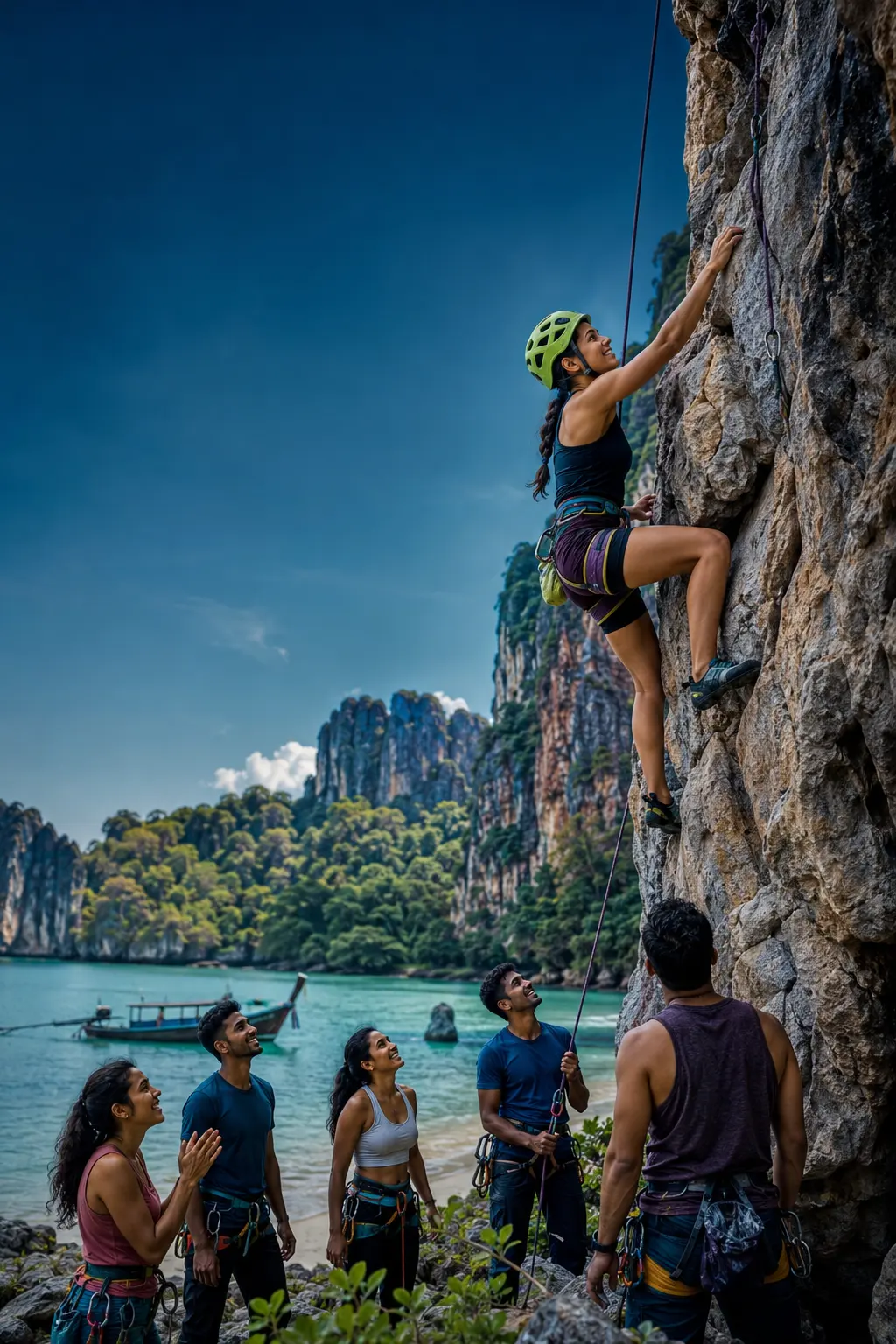
Pai: Is the Mountain Town Worth the Road?
- Pai
- Thailand
- Mountains
- Mae Hong Son
Pai is a small mountain town in northern Thailand, three hours from Chiang Mai along a road famous for its hundreds of curves. It has canyons, hot springs, waterfalls, viewpoints and a relaxed walking street. Here is who Pai suits, how to handle motion sickness, and when to go.
Pai is a small mountain town in northern Thailand, about three hours from Chiang Mai along a road famous for its hundreds of curves. Once there, you find canyons, hot springs, waterfalls, rice fields, viewpoints and a relaxed walking street. It is worth the road for travellers who love nature and slow days, but not for those with severe motion sickness.
Pai has become a favourite with backpackers and young Thai travellers, and increasingly with Indian couples and groups of friends. The journey is part of the experience, but it is not for everyone. This guide helps you decide.
Pai at a glance
| Details | |
|---|---|
| From Chiang Mai | About 3 hours by road |
| Road | Winding mountain highway with many curves |
| Highlights | Pai Canyon, hot springs, waterfalls, viewpoints, walking street |
| Best for | Nature lovers, couples, friends |
| Time needed | Two or three nights |
Pai Canyon
Pai Canyon (Kong Lan) has narrow ridges and drops with views over the valley, popular at sunset. Paths are narrow and unfenced, so take care, especially with children.
Hot springs
Tha Pai hot springs and others nearby have warm pools set in forest, relaxing after a day of exploring.
Waterfalls
Mor Paeng and Pam Bok waterfalls are short drives from town, with pools in the cool season and fuller flows after the rains.
Viewpoints and villages
Yun Lai viewpoint is known for sunrise over the misty valley. Santichon village has Chinese heritage, and nearby rice fields and bamboo bridges make pleasant stops.
Walking street
Pai's evening walking street fills with food stalls, crafts and live music. Vegetarian and vegan food is easy to find here, as Pai attracts many health-conscious travellers.
Is Pai worth the road?
Pai is worth the journey if you enjoy mountain scenery, cafés, slow mornings and small-town evenings, and you have at least two nights. It is not worth it for a single night, for travellers with strong motion sickness, or for families who would rather spend time on beaches. Many visitors fall for its relaxed pace and stay longer than planned.
Scooters in Pai
Many visitors rent scooters to explore, but accidents on the hilly, gravelly roads are common, and many insurance policies exclude scooters without a valid licence and helmet. A car with a driver or songthaew tours are safer. Our insurance guide explains the risks.
A sample day in Pai
Watch sunrise at Yun Lai viewpoint, have breakfast in town, visit Mor Paeng waterfall and the Land Split in the morning, relax at the hot springs after lunch, see sunset at Pai Canyon, and end at the walking street.
The Mae Hong Son loop
Some travellers continue from Pai to Mae Hong Son and back to Chiang Mai via Mae Sariang, a long scenic loop through mountains and villages, best over several days.
Cafés and evenings
Pai is known for relaxed cafés, live music and a walking street that fills with food stalls each evening. It is a social, friendly place for couples and friends, with plenty of vegetarian and vegan food.
Burning season
From about February to April, agricultural burning can cause haze and poor air quality across northern Thailand, including Pai. Travellers with breathing conditions should check air quality and consider other months.
Eating in Pai
Pai's walking street and cafés serve vegetarian khao soi, falafel, smoothie bowls, pancakes and Thai dishes made to order. A few places serve Indian-style curries and dal, though Jain travellers should carry some food from Chiang Mai.
How long to stay
Two nights let you see the main sights; three or four let you slow down and enjoy the cafés and countryside.
Making the drive easier
Leave Chiang Mai in the morning, stop at the halfway rest area, look at the horizon on bends, keep the window open for fresh air and avoid reading on your phone.
Getting there
Most travellers go by private car or minivan from Chiang Mai in about three hours. Some ride scooters, which is risky for inexperienced riders. Small flights have operated at times; check current options. Our getting around Thailand guide has more.
Where to stay
Guesthouses and boutique resorts range from town-centre rooms near the walking street to bungalows among rice fields outside town. Staying a short distance out of town is quieter.
When to go
November to February brings cool mornings, misty valleys and clear days. March and April can be hazy from burning. The rainy season, roughly May to October, is lush but roads can be slippery.
Food for Indian travellers
Pai has many cafés and restaurants with vegetarian and vegan options, plus Thai food that can be made without fish sauce. Indian food is limited, though some places serve curries and dal. Jain travellers should carry ready-to-eat food.
Who Pai suits
Pai suits nature lovers, couples, groups of friends and travellers who enjoy slow days and cafés. It suits less those with severe motion sickness, older parents who tire on long drives, and families with very young children.
For families and parents
Families with older children can enjoy the waterfalls, hot springs and canyon with supervision. Parents may prefer staying in Chiang Mai and taking gentler day trips.
For couples
Couples enjoy sunrise at Yun Lai, sunset at Pai Canyon and cosy cottages among rice fields.
Combining Pai with other places
Pai combines with Chiang Mai, and some travellers continue on the Mae Hong Son loop. Our Chiang Mai guide has more.
Budget
Pai is good value, with guesthouses and cafés at modest prices. A private car from Chiang Mai is the main cost.
What to pack
Warm layers for cool mornings, motion-sickness tablets, swimwear for hot springs and comfortable shoes.
Entry requirements
Before you fly, check the current entry requirements for Indian passport holders on the Royal Thai Embassy, New Delhi page and the Thai e-Visa site, and complete the Thailand Digital Arrival Card on the official Thailand Digital Arrival Card site. Rules change, so confirm them close to your travel date.
Next steps
Read our Chiang Mai guide and Chiang Rai guide, or see our Chiang Mai page.
A BagPackerMe planner can plan your Thailand trip privately, with one named planner, WhatsApp support throughout and vegetarian and Jain food planned in.
Your questions, answered
How long is the road from Chiang Mai to Pai?
About three hours by road, on a winding mountain highway often described as having 762 curves.
Is the road to Pai safe?
The road is paved but steep and winding. Travel with an experienced driver in daylight, avoid riding a scooter if you are not experienced, and take motion-sickness tablets if you are prone to it.
Who is Pai for?
Pai suits travellers who enjoy nature, slow days, cafés and viewpoints. It is less suitable for travellers with severe motion sickness or very young children.
When is the best time to visit Pai?
November to February is cool and clear. March and April can be smoky from agricultural burning. The rainy season is green but roads can be slippery.
Join Our Newsletter
Get destination guides, tips, and inspiration delivered straight to your inbox.
Plan it privately
Pai, at an easy pace
We arrange a comfortable private car from Chiang Mai, calm stays and vegetarian meals in the hills.
Written by
BagPackerMe Editorial Team
Read More
Continue exploring
 Thailand Guides
October 5, 2026•7 min read
Chiang Mai for Indian Travellers: Old City, Mountains and Slow Days
Chiang Mai is Thailand's cultural north: temples, mountains, cooking classes and ethical elephant sanctuaries. Here is when to go, how long to stay and how to plan it from India.
 Thailand Guides
November 15, 2026•6 min read
Chiang Rai: White Temple, Blue Temple and the Golden Triangle
Chiang Rai, about three hours north of Chiang Mai, is home to the White Temple, the Blue Temple and the Black House, with tea plantations in the hills and the Golden Triangle viewpoint where Thailand, Laos and Myanmar meet on the Mekong. Here is whether to visit as a day trip or stay, and what to see.
Thailand GuidesNovember 13, 2026•6 min read
Adventure in Thailand: Climbing, Kayaking and Ziplines
Thailand offers easy adventure for Indian travellers: rock climbing on Railay's limestone cliffs, sea kayaking through Phang Nga Bay's caves, ziplines in the forests around Chiang Mai, and white-water rafting in the north. Here is where to go, who each activity suits and the safety checks to make before you book.