
Japan for the First Time From India: What to Know Before You Book
- Japan Travel
- First Time Travelers
- Japan Trip Cost
- Tokyo Kyoto Itinerary
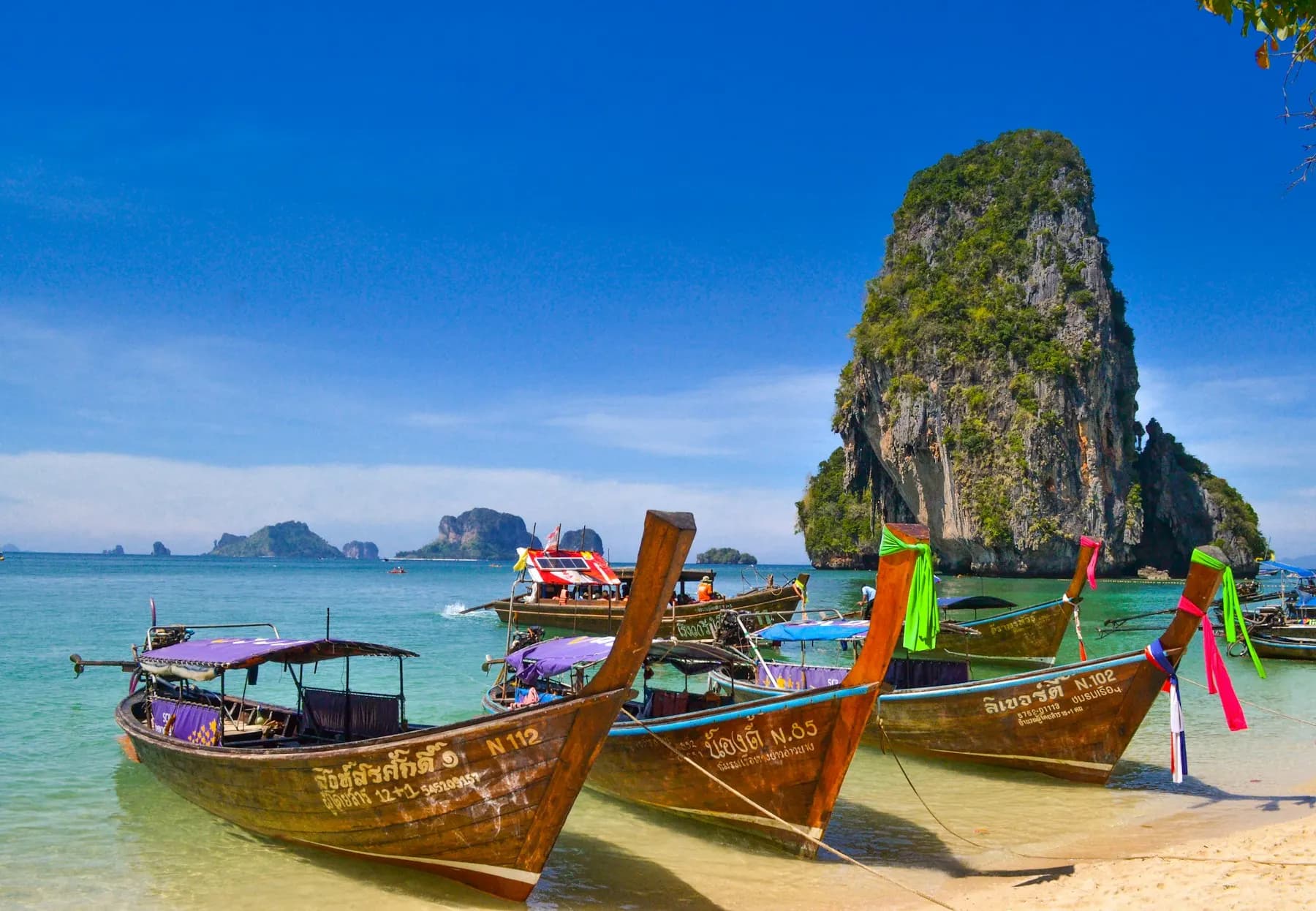
Photograph by Cosmin Georgian on Unsplash
The definitive first-timer guide for Indian travellers planning a trip to Japan, covering realistic budgets in INR, flight routings, vegetarian food survival, and the Golden Route.
Planning your first trip to Japan from India requires looking past the curated Instagram reels and understanding the concrete logistics of flights, visas, regional transport, and daily sustenance. When you board a flight from major Indian hubs like Delhi, Mumbai, or Bengaluru, you are heading into a society that runs on absolute punctuality, quiet public spaces, and distinct cultural norms. For a first-time visitor, the classic Golden Route covering Tokyo, Kyoto, and Osaka offers the most reliable introduction to the country. A typical first-timer itinerary spans 7 to 12 days, giving you enough time to experience the neon-lit skyscrapers of Shinjuku, the quiet bamboo groves of Arashiyama, and the street food culture of Dotonbori without rushing through every single district. While the country has a reputation for being prohibitively expensive, the recent depreciation of the Japanese Yen has made everyday expenses comparable to or even cheaper than other popular Asian destinations like Singapore. However, preparation is vital. Indian passport holders must secure a tourist visa in advance, pack light to navigate narrow hotel corridors and crowded train stations, and understand how to manage dietary requirements if you do not eat meat or fish. By breaking down the actual costs, transport nuances, and seasonal realities before you book, you can design a seamless holiday that matches your travel style.
How many days Tokyo and Kyoto actually need
Tokyo and Kyoto require a minimum of seven to ten days combined for a well-paced first-time trip, with at least four days allocated to Tokyo and three days dedicated to Kyoto. Tokyo is vast, sprawling across distinct neighbourhoods like Shibuya, Shinjuku, Asakusa, and Ginza, each functioning almost like a separate city with its own character, train stations, and culinary identity. Rushing through Tokyo in two days leaves you exhausted and constantly in transit. Four days allow you to spend a morning exploring the historic Senso-ji temple in Asakusa, an afternoon in the electronic hubs of Akihabara, and evenings navigating the maze of alleyways in Omoide Yokocho. Kyoto, on the other hand, demands a slower rhythm focused on history, traditional wooden machiya townhouses, and thousands of vermilion shrine gates. Three days in Kyoto give you enough breathing room to walk through the Fushimi Inari shrine at dawn before the crowds arrive, explore the bamboo forests of Arashiyama, and visit the golden pavilion of Kinkaku-ji without feeling like you are ticking items off an endless checklist. If you decide to add Osaka—which is just a short train ride from Kyoto—add another one or two days to sample street food in Namba and view the city from Osaka Castle. Trying to squeeze all three cities into less than seven days results in spending more time sitting on trains and packing suitcases than actually experiencing the culture.
To help structure your days effectively, consider the following recommended allocation based on a standard ten-day holiday:
| Destination | Recommended Days | Primary Focus |
|---|---|---|
| Tokyo | 4 - 5 Days | Modern architecture, pop culture, neighbourhoods, dining |
| Kyoto | 3 - 4 Days | Temples, shrines, traditional gardens, historical walks |
| Osaka / Nara | 2 - 3 Days | Street food culture, day trips to historic deer parks |
This breakdown ensures you do not burn out mid-trip. First-time travellers frequently make the mistake of scheduling three distinct activities every single morning and afternoon. Japan is a country best enjoyed on foot, wandering through residential backstreets, sitting in quiet Zen gardens, and discovering tiny coffee shops tucked away from the main tourist drags. Give yourself permission to leave afternoons unstructured so you can simply absorb your surroundings.
Complete Japan trip cost from India in INR
A 7 to 10-day independent trip to Japan from India typically costs between ₹1,50,000 and ₹2,50,000 per person for a mid-range travel style, covering return flights, accommodation, local transport, food, and sightseeing. Flights represent the single largest upfront expense, with round-journey economy tickets from Delhi, Mumbai, or Bengaluru ranging from ₹55,000 to ₹95,000 depending on how far in advance you book and whether you choose a direct carrier or a one-stop itinerary via Bangkok, Singapore, or Kuala Lumpur. Accommodation for six to seven nights in clean, compact mid-range business hotels or western-style rooms runs between ₹40,000 and ₹80,000 per person when sharing a room. Food expenses are surprisingly manageable; thanks to the favourable exchange rate, you can comfortably spend ₹2,500 to ₹5,000 per day on a mix of convenience store meals, casual ramen bars, and sit-down dinners. Local transportation, including IC transit cards for city subways and Shinkansen bullet train tickets between Tokyo and Kyoto, adds roughly ₹12,000 to ₹25,000. Tourist activities, temple entry fees, and travel insurance contribute another ₹8,000 to ₹15,000 to the total tally. Travellers who prefer luxury hotels, fine dining experiences, and bullet train first-class green cars will easily see their budgets scale upwards of ₹3,500,000 per person, while strict backpackers staying in capsule hotels and eating exclusively from convenience stores can manage a 7-day trip closer to ₹1,10,000.
To give you a precise understanding of where your money goes, here is a detailed baseline budget for a standard 7-day independent holiday:
| Expense Category | Budget Style (INR) | Mid-Range Style (INR) |
|---|---|---|
| Return Flights (DEL/BOM) | ₹55,000 – ₹70,000 | ₹75,000 – ₹1,05,000 |
| Accommodation (6 Nights) | ₹25,000 – ₹35,000 | ₹45,000 – ₹90,000 |
| Food & Daily Dining | ₹12,000 – ₹18,000 | ₹25,000 – ₹45,000 |
| Local Transport & Shinkansen | ₹10,000 – ₹15,000 | ₹18,000 – ₹28,000 |
| Activities, Visa & Insurance | ₹6,000 – ₹10,000 | ₹12,000 – ₹22,000 |
| Estimated Total Per Person | ₹1,08,000 – ₹1,48,000 | ₹1,75,000 – ₹2,90,000 |
These figures exclude personal shopping, souvenirs, and luxury purchases. Booking your flights three to four months ahead is the single most effective way to keep airfares at the lower end of the spectrum. Additionally, commercial terms apply if you book a structured itinerary or group departure through a specialized operator: a non-refundable deposit of 25-30% is required at booking, with the balance due 30 days before departure. If you need to cancel more than 45 days out, you lose the deposit only; cancellations 30-44 days out forfeit 50%, 15-29 days out forfeit 75%, and cancellations inside 15 days result in a 100% loss of fees.
Choosing the best month to visit Japan
The best months to visit Japan from India depend on whether you want to witness cherry blossoms, see autumn foliage, or avoid massive tourist crowds entirely. Spring (late March to mid-April) and autumn (October to November) are universally considered the prime seasons, offering pleasant walking temperatures, stunning seasonal scenery, and comfortable daytime weather. However, these peak periods bring heavy crowds, fully booked hotels, and significantly higher flight and accommodation prices. If you want to experience cherry blossoms without battling thousands of tourists at every famous temple in Kyoto, consider travelling slightly north to regions like Tohoku or booking your trip during the shoulder weeks. For travellers who prioritize lower crowds and crisp weather, winter (December to February) is an exceptional choice. The three major cities of Tokyo, Kyoto, and Osaka experience crisp, clear blue skies with daytime temperatures hovering around 10°C, and tourist sites are wonderfully quiet. Winter also opens up Japan's incredible onsen culture—soaking in natural hot spring mineral baths while surrounded by snowy mountain landscapes in places like Hakone or the Japanese Alps. Conversely, summer (June to August) is generally the most challenging time for first-time visitors from India due to intense humidity, heavy rainfall during the June-July rainy season, and sweltering urban heat that can exceed 35°C in Tokyo and Kyoto, making long walking tours exhausting.
Review the seasonal breakdown below to align your travel dates with your climate and crowd preferences:
| Season | Months | Pros & Cons |
|---|---|---|
| Spring | Late March – April | Cherry blossoms, perfect weather, highest crowds and prices |
| Summer | June – August | Low season for some, but oppressive humidity and heavy rain |
| Autumn | October – November | Vibrant red maples, great walking weather, popular and busy |
| Winter | December – February | Fewer crowds, clear skies, onsen bathing, colder temperatures |
Selecting your travel window should also take into account Japanese national holidays. Avoid travelling during Golden Week, which runs from late April into the first week of May, as domestic travel surges, bullet trains sell out weeks in advance, and hotel rates skyrocket. Similarly, Obon festival in mid-August brings heavy domestic movement and high temperatures. If your schedule is flexible, targeting late November after the autumn peak or January during the winter lull provides a much more relaxed travel experience.
Is the Japan Rail Pass still worth it
The nationwide Japan Rail Pass is no longer automatically worth buying for first-time travellers following a sweeping nationwide price hike, and you must calculate your specific itinerary before purchasing. Historically, buying a 7-day or 14-day JR Pass was a no-brainer for anyone travelling between Tokyo, Kyoto, and Osaka. However, after the substantial price increase, a nationwide pass often costs more than individual point-to-point Shinkansen tickets purchased ala carte or combined with regional rail passes. If your itinerary is strictly limited to the standard Golden Route—flying into Tokyo, taking the bullet train to Kyoto, and flying out of Osaka or Tokyo—buying individual Shinkansen tickets or utilizing regional passes such as the JR West Kansai Area Pass is frequently more cost-effective. The nationwide pass only makes financial sense if you are undertaking extensive long-distance travel across multiple regions within a tight 7-day window, such as journeying from Tokyo up to Hokkaido and down to Hiroshima in rapid succession. For a standard first-timer route, you can easily purchase individual bullet train tickets online through official railway websites or station ticket machines using credit cards or loaded IC transit cards.
To evaluate whether a pass makes sense for your route, compare your anticipated journeys against current pricing structures using online railway calculators. Individual Shinkansen tickets between Tokyo and Kyoto cost roughly ₹8,000 to ₹10,000 one-way, meaning a round trip between the two cities sits around ₹18,000 to ₹20,000. If your regional transit costs fall below the price of a 7-day nationwide pass, skip the pass entirely and use contactless IC cards like Suica or Pasmo loaded onto your smartphone wallet for all local subway, bus, and convenience store purchases. This flexibility prevents you from overpaying for transit you may not fully utilize.
Flight routings and time in the air from India
Travelling to Japan from India involves a total travel time of 9 to 14 hours depending on your departure city, your chosen airline, and whether you book a direct flight or a layover. Direct flights are primarily operated by carriers like Air India or All Nippon Airways out of Delhi (DEL), with flight durations hovering around 7.5 to 8 hours to Tokyo Haneda (HND) or Narita (NRT) airports. If you are flying out of Mumbai (BOM), Bengaluru (BLR), Hyderabad (HYD), or other major southern and western hubs, you will typically take a one-stop flight with layovers at major Asian transit hubs such as Singapore Changi, Bangkok Suvarnabhumi, Kuala Lumpur, or Seoul Incheon. These one-stop routings usually extend your total journey time to between 11 and 15 hours depending on layover duration, but they frequently offer more competitive airfares than direct departures. Singapore Airlines, Thai Airways, Malaysia Airlines, Vietnam Airlines, and Cathay Pacific operate frequent connections with seamless transit procedures. When booking your flights, pay close attention to arrival times; flights departing India in the evening often arrive in Tokyo late the following morning or afternoon, allowing you to check into your hotel and ease into the evening without losing a full day to travel fatigue. Additionally, ensure you verify airport codes when booking, as Tokyo is served by both Narita Airport, which is located about an hour outside the city centre via express train, and Haneda Airport, which sits much closer to downtown Tokyo and offers quicker, cheaper rail connections into Shinjuku and Shibuya.
Consider how your departure city impacts your overall journey when planning your vacation days:
| Departure Hub | Routing Type | Average Total Travel Time |
|---|---|---|
| New Delhi (DEL) | Direct or One-Stop | 7.5 Hours (Direct) / 11–13 Hours (One-Stop) |
| Mumbai (BOM) | One-Stop via SIN/BKK/ICN | 12 – 15 Hours |
| Bengaluru (BLR) | One-Stop via SIN/KUL | 11 – 14 Hours |
| Hyderabad (HYD) | One-Stop via SIN/KUL | 12 – 14 Hours |
When selecting your inbound and outbound flights, consider landing in one city and departing from another if your itinerary permits—such as flying into Tokyo Narita and departing out of Osaka Kansai (KIX). This open-jaw routing eliminates the need to take a return bullet train back to your starting city just to catch your flight home, saving you both transit time and rail expenses while giving you an extra full day for sightseeing in the Kansai region.
Surviving as a vegetarian in Japan
Finding vegetarian food in Japan requires advance research and a clear understanding of local culinary ingredients, but it is entirely manageable for Indian travellers who plan ahead. The single biggest challenge for vegetarian first-timers is that dashi—a common fish-based broth made from bonito flakes—and hidden animal fats or pork extracts are foundational to Japanese cooking, appearing in unexpected dishes like noodle broths, rice seasonings, and even tempura batter. If you strictly avoid meat, fish, and seafood, simply pointing at a menu or asking for "veg" can lead to misunderstandings, as many locals classify fish and seafood as separate from meat. To navigate this, download dedicated vegetarian discovery apps like HappyCow before you land, which list specialized plant-based ramen shops, vegan sushi bars, and macrobiotic cafes in Tokyo, Kyoto, and Osaka. Furthermore, convenience stores like 7-Eleven, Lawson, and FamilyMart are unexpected lifesavers; you can easily find plain rice balls (onigiri) wrapped in seaweed, egg salad sandwiches, sweet red bean buns, and fresh fruit cups. Indian restaurants owned and operated by diaspora communities are widely available across central Tokyo and tourist districts in Kyoto, serving authentic North and South Indian curries, dal, and tandoori items when you crave familiar flavours. For casual dining, look out for chain restaurants and dedicated stalls offering customizable noodle bowls, or visit department store basement food halls (depachika), where you can inspect food items visually before purchasing.
Equip yourself with a few key Japanese phrases or a translated dietary card explaining your restrictions clearly to restaurant staff:
| Dietary Need | What to Watch Out For | Reliable Options |
|---|---|---|
| Strict Vegetarian | Bonito fish flakes in broths, lard in pastries | Buddhist temple cuisine (shojin ryori), Indian restaurants |
| Eggless Vegetarian | Mayonnaise in sandwiches, hidden egg in noodles | Conbini plain rice balls, vegan ramen chains |
| Jain Diet | Root vegetables, garlic, onion in all broths | Dedicated Indian-run vegetarian establishments in Tokyo |
Another fantastic option for vegetarian travellers is shojin ryori, traditional Buddhist vegetarian cuisine served around temples in Kyoto. This plant-based dining style uses tofu, seasonal mountain vegetables, sesame paste, and soy products to create intricate, beautiful multi-course meals without any animal products. While upscale shojin ryori requires advance reservations, experiencing at least one temple meal provides a memorable culinary highlight that aligns perfectly with a strict vegetarian lifestyle.
Navigating the visa process from India
Indian passport holders planning a holiday to Japan must apply for a tourist visa prior to departure through official channels rather than attempting to travel on arrival. Visa applications are processed through authorized submission centres such as VFS Japan located in major Indian metropolitan cities. The standard tourist visa is typically issued for a single entry allowing a stay of up to 30 days, and applications are generally processed within a few working days once all paperwork is submitted. To ensure a smooth approval, you must assemble a comprehensive file that includes a fully completed visa application form, a detailed day-wise itinerary of your hotels and planned sightseeing, confirmed return flight tickets, recent personal bank statements showing sufficient funds to support your stay, income tax return (ITR) documents, and a formal cover letter outlining the purpose of your journey. One major advantage of the Japan tourist visa process for Indian citizens is that it does not require a local guarantor or sponsor in Japan, making independent trip planning much simpler than it was in past years. However, you must avoid booking non-refundable hotels or internal tours before your visa is officially stamped in your passport, as processing times can occasionally fluctuate during peak travel seasons.
Because visa regulations, processing fees, and document checklists are updated periodically by diplomatic missions, you should never rely on static blog posts for current fees or entry rules. Check the current fee, required document specifications, and appointment booking procedures directly on the official embassy or VFS Global portals before starting your application. Keep in mind that visa validity is typically limited to a few months from the date of issue, so you should time your application submission to fall approximately four to six weeks prior to your intended departure date, ensuring your passport remains valid for at least six months beyond your travel window.
Essential connectivity and money matters in Japan
Staying connected and managing your money efficiently are two practical tasks you must sort out before leaving India to ensure a frictionless travel experience. For mobile internet access, you have three primary options: purchasing a digital eSIM online before departure that activates the moment you land, renting a pocket Wi-Fi device to collect at the airport, or subscribing to international roaming packs through Indian telecom providers like Airtel or Jio. An eSIM is often the most convenient choice for modern smartphones, giving you instant high-speed data without requiring you to swap physical SIM cards or carry an extra charging device. For financial transactions, while Japan is increasingly adopting digital payments and credit cards in major cities, cash remains essential for visiting historic temples, purchasing tickets from older vending machines, eating at small neighbourhood ramen counters, and paying for local buses. You can easily withdraw Japanese Yen from 7-Eleven ATM machines using Indian debit or credit cards enabled for international usage, or exchange currency in India before you fly. It is also wise to inform your bank of your travel dates to prevent your cards from being flagged for suspicious foreign transactions.
Review the connectivity and payment breakdown below to decide which methods suit your travel style best:
| Service Type | Recommended Option | Key Benefit |
|---|---|---|
| Mobile Internet | Pre-paid eSIM or Pocket Wi-Fi | Instant data for navigation, translation, and transit apps |
| Cash & Currency | 7-Eleven ATMs / Local Cash | Required for small eateries, shrines, and local transit tickets |
| Digital Payments | IC Cards (Suica/Pasmo) & Visa/Mastercard | Fast tap-and-go convenience for subways and convenience stores |
When using cash in Japan, remember local etiquette regarding currency exchange: never hand cash directly to a cashier's hand at a retail counter or restaurant. Instead, place your cash or credit card onto the small designated coin tray provided next to the register. The cashier will place your change back onto the tray with both hands, accompanied by a polite bow. Embracing these small cultural nuances makes everyday interactions remarkably smooth.
Packing light and luggage forwarding services
Packing light is arguably the most crucial physical advice for any first-time traveller heading to Japan from India. Japanese hotel rooms—particularly standard business hotels in Tokyo and Kyoto—are famously compact, often leaving very little floor space to open two large, bulky suitcases simultaneously. Furthermore, navigating Japan's sprawling train stations involves climbing stairs, walking down long pedestrian tunnels, and boarding commuter subways where luggage racks are limited. Bringing massive, heavy check-in bags will quickly turn your transit days into an exhausting workout. Instead, pack versatile, layerable clothing that you can mix and match, and make use of hotel laundry facilities or coin laundromats (coin randori) which are widely available across Japanese cities. If you do travel with heavier luggage or find yourself accumulating shopping bags as your trip progresses, you can utilize Japan's legendary luggage forwarding service, known as Takkyubin or black cat delivery. Operated by companies like Yamato Transport, this inexpensive service allows you to ship your large suitcases directly from your hotel in Tokyo to your hotel in Kyoto for a nominal fee, usually arriving by the next day. This service frees you up to travel across the country for a couple of days with just a lightweight backpack while your main bags travel independently between accommodations.
To avoid common packing pitfalls, keep these golden rules in mind:
| Packing Rule | Why It Matters | Practical Tip |
|---|---|---|
| Footwear | Constant shoe removal required at temples and inns | Wear slip-on shoes or loafers with clean socks |
| Clothing Layers | Indoor heating is strong; outdoor streets are crisp | Pack thermal layers and light jackets rather than heavy coats |
| Luggage Size | Narrow train aisles and compact hotel elevators | Limit yourself to one cabin trolley and a backpack per person |
Another essential packing item is a pair of shoes that are exceptionally easy to slip on and off. You will frequently be required to remove your footwear when entering traditional ryokan inns, historic temples, tatami-matted dining rooms, and certain museums or fitting rooms. Wearing laced hiking boots that require five minutes to unlace at every temple entrance will test your patience very quickly. Stick to comfortable slip-on walking shoes paired with fresh, immaculate socks.
Cultural etiquette mistakes to avoid
Understanding basic Japanese social etiquette prevents uncomfortable misunderstandings and ensures you show proper respect to local residents throughout your holiday. One of the most common mistakes first-time visitors make is speaking loudly on mobile phones or in crowded train carriages. Japanese public transport is treated as a quiet space for relaxation or quiet reading; taking loud phone calls or chatting boisterously on a subway car is considered deeply impolite. Similarly, walking while eating or drinking is generally frowned upon in many public areas; instead, consume your snacks standing immediately beside the vending machine or convenience store where you purchased them, then dispose of your rubbish in the correct recycling bins. Tipping is another practice to completely leave behind; Japanese service culture is built on pride and hospitality, and leaving a tip on a restaurant table will often result in the server chasing you down the street to return the money you accidentally left behind. When visiting Shinto shrines and Buddhist temples, observe the purification rituals at the water basins before approaching the main altars, keep your voice lowered, and refrain from taking photographs in restricted inner sanctums.
Keep this quick checklist of dos and don'ts handy to navigate daily interactions with confidence:
| Situation | Correct Etiquette | Action to Avoid |
|---|---|---|
| Train Travel | Keep phones on silent, avoid loud conversations | Talking loudly on mobile phones inside train carriages |
| Dining | Leave payment on the tray; no tipping required | Leaving cash tips on restaurant tables |
| Public Streets | Eat snacks stationary near vending machines | Walking down busy pedestrian walkways while eating |
| Indoor Spaces | Remove shoes when stepping onto tatami mats | Wearing outdoor shoes inside traditional inns or temples |
By approaching Japanese customs with curiosity, patience, and observation, you will find that locals are exceptionally forgiving of foreign mistakes as long as you make a genuine effort to be polite. A simple bow (ojigi) and saying "Arigato gozaimasu" (Thank you) or "Sumimasen" (Excuse me / Sorry) goes a long way in establishing warmth and mutual respect wherever you go.
Recommended apps for your Japan trip
Downloading the right digital tools onto your smartphone before boarding your flight from India will transform your navigation, translation, and daily exploration of Japan. Google Maps is remarkably accurate across Japan, providing minute-by-minute train schedules, platform numbers, and subway exit directions that eliminate the guesswork of navigating complex underground transit networks. For real-time transit routing, JapanTransit Planner or Navitime are invaluable companions that calculate exact fares and optimal train connections. Google Translate is essential for reading foreign signage and menus; its camera feature allows you to point your phone at Japanese kanji characters and instantly view English translations on your screen. To manage dietary restrictions, download HappyCow to locate vegetarian and vegan eateries across Tokyo and Kyoto, while Tabelog serves as Japan's premier local restaurant review platform for finding authentic dining spots favored by residents rather than international tourists. Finally, ensure you have your digital IC transit card—such as digital Suica or Pasmo—configured directly within your smartphone wallet app, allowing you to tap through station turnstiles without needing to purchase physical paper tickets or stand in station queues.
Review the essential app checklist below to ensure your phone is fully prepped before departure:
| App Name | Primary Function | Why You Need It |
|---|---|---|
| Google Maps | Navigation & Transit | Unmatched accuracy for walking routes and subway exits |
| Google Translate | Live Camera Translation | Instantly translates Japanese menus and signs in real time |
| HappyCow | Dietary Discovery | Finds vegetarian and vegan restaurants across major cities |
| Suica / Pasmo | Contactless Transit | Digital tap-and-go fare payment on subways and buses |
Setting up these apps while you are still in India on stable Wi-Fi ensures you are not scrambling to download large data files or verify account credentials over spotty airport connections upon arrival. Take twenty minutes the evening before your flight to test each app, pin your hotel locations on your offline maps, and ensure your digital payment cards are fully synced.
Frequently asked questions
How many days are enough for a first trip to Japan from India?
A duration of 7 to 10 days is ideal for a first-time trip from India, allowing you to cover the classic Golden Route of Tokyo, Kyoto, and Osaka without burning out from constant transit and packing.
Do Indian passport holders need a visa for Japan?
Yes, Indian citizens require a tourist visa to enter Japan. Applications must be submitted in advance through authorized processing centres like VFS Global, requiring confirmed flights, hotel itineraries, and financial documents.
How much does a 7-day Japan trip cost from India?
A standard mid-range 7-day trip from India costs between ₹1,50,000 and ₹2,50,000 per person, factoring in return economy airfares, mid-range business hotels, daily dining, local transit, and sightseeing.
Is vegetarian food easy to find in Japan?
Finding vegetarian food requires planning because many broths and sauces contain fish extracts or animal fats. However, convenience store staples, dedicated vegan ramen shops, and Indian restaurants make survival straightforward.
Is the Japan Rail Pass still worth buying?
The nationwide JR Pass is often no longer worth buying following significant price increases. For a standard Golden Route itinerary, purchasing individual Shinkansen tickets or regional passes is usually more cost-effective.
Join Our Newsletter
Get destination guides, tips, and inspiration delivered straight to your inbox.
Planned properly
Let us design your bespoke private journey to Japan
Skip the generic tour packages. Our private trip planners design tailor-made itineraries around your pace, preferences, and dietary requirements.
Written by
BagPackerMe Editorial Team
Read More
Continue exploring
 First International Trips
August 22, 2026•13 min read
Your First International Group Trip: Everything You Need to Know
Your first international group trip does not need to be complicated. It needs good documents, honest budgeting, clear arrival information and a format that makes you comfortable.
Thailand GuidesSeptember 1, 2026•14 min read
Thailand for First-Time International Travellers From India: Complete Guide
Thailand is a practical first international trip from India when you choose a pace, island mix and budget that fit you. Use this guide for the questions that matter before booking.
 Travel Confidence
June 18, 2026•12 min read
I Want to Travel, But I Have No One to Go With: A Guide for Indian Travellers
Your friends are busy, your partner is not interested, and you still want to go. Here is a practical way to decide what to do next without putting your travel life on hold.