Water Sports in Thailand: Safety Checks Before You Book
- Thailand
- Water sports
- Safety
- Beaches
Before booking water sports in Thailand, check the operator, the equipment and the conditions. Insist on life jackets that fit, look at the condition of boats and harnesses, agree price and duration in writing, and check that your travel insurance covers the activity. Here is what to check for parasailing, jet skis, snorkelling and more.
Before booking water sports in Thailand, check the operator, the equipment and the conditions. Insist on life jackets that fit, look at the condition of boats, harnesses and ropes, agree the price and duration before you start, and check that your travel insurance covers the activity. Avoid water sports in rough seas, after drinking or when you feel rushed.
Parasailing, jet skis, banana boats, snorkelling and diving are popular in Phuket, Pattaya, Krabi and the islands. This guide covers the checks that keep a fun day safe.
At a glance
| Activity | Key checks |
|---|---|
| Parasailing | Harness, ropes, weather, crew |
| Jet skis | Photos before use, written terms, life jacket |
| Banana boats | Life jackets, calm water, speed |
| Snorkelling | Fitting mask, life jacket, currents |
| Diving | Certified instructor, medical form, insurance |
| Kayaking | Life jacket, tide and weather |
Choosing an operator
Choose operators recommended by your hotel or planner, with clear signage, a permanent base and good recent reviews. Avoid touts on the beach who push you to decide quickly. Ask how long they have operated, how many staff are on the boat and what happens if the weather changes.
Life jackets
Every person should wear a life jacket that fits, fastened properly, for boat trips, banana boats, jet skis and snorkelling for weaker swimmers. Children need child-size jackets. If the jackets look worn or do not fit, do not go.
Parasailing
Look at the harness, ropes and parachute before you start. Parasailing should stop in strong winds or rough seas. Follow the crew's instructions for take-off and landing, and do not do it after a heavy meal or alcohol.
Jet skis
Photograph the jet ski from all sides before use, agree the price and duration, and ask what happens in case of damage. Stay within marked areas, keep away from swimmers and do not ride after drinking.
Snorkelling
Use a mask that fits, stay with your group and listen to briefings about currents. Do not touch coral or feed fish. Weaker swimmers and children should wear life jackets.
Diving
Choose a certified dive centre with qualified instructors, complete the medical questionnaire honestly and check that insurance covers diving. Our scuba diving for beginners guide has more.
Weather and sea conditions
Follow beach flags and local warnings. In the rainy season, the Andaman coast can have strong currents and rough seas. Cancel or reschedule if conditions look poor.
Children
Check minimum ages, use child life jackets and keep children with an adult. Calm-water activities such as snorkelling from a beach or kayaking with a guide suit families.
Alcohol and water sports
Do not drink before or during water sports. Many accidents involve alcohol.
Quick checklist
- Operator recommended and established
- Life jackets that fit, for everyone
- Equipment in good condition
- Price, duration and terms agreed first
- Photos taken before using hired craft
- Insurance covers the activity
- Weather and sea conditions suitable
Banana boats
Banana boats are towed at speed and riders often fall into the water. Wear a fastened life jacket, hold the handles and ask the driver to go slower with children. Avoid banana boats in choppy water.
Sea walking
Sea walking uses a helmet supplied with air from a boat. Check the equipment, listen to the briefing and do not try it with a cold or ear problems. Children should meet the operator's age limits.
Kayaking
Kayaking among limestone islands, as in Phang Nga Bay, is calm and suits families. Wear a life jacket, protect yourself from the sun and follow your guide, especially near caves with tides.
Island tours
Speedboat island tours combine snorkelling and beach stops. Ask how many passengers the boat carries, whether life jackets are provided for all, and what happens in rough weather. Choose operators who cancel when conditions are poor rather than going anyway.
Medical care
Small islands may have only basic clinics. For serious injuries, transfer to a hospital on a larger island or the mainland may be needed. Insurance with evacuation cover matters.
Sun and heat
Sunburn and dehydration are common. Use reef-safe sunscreen, wear a rash guard and drink water.
Jellyfish
Jellyfish can appear at certain times of year. Follow local warnings and wear a rash guard when snorkelling.
Avoiding disputes
Some visitors report disputes over damage to hired jet skis or other equipment. Photograph the craft before and after use, agree terms in writing where possible and use operators recommended by your hotel. If a dispute arises, stay calm and contact the Tourist Police rather than paying under pressure.
Pregnancy and health conditions
Avoid high-speed and high-impact activities such as parasailing, jet skis and banana boats if you are pregnant or have back, heart or neck conditions. Gentle snorkelling in calm water may still be possible; ask your doctor before you travel.
For beginners
Start with calm activities such as snorkelling from a beach or a guided kayak trip. Take lessons for diving and paddleboarding, and build up confidence before trying more.
When conditions are best
On the Andaman coast, around Phuket and Krabi, seas are usually calmest from November to April. On the Gulf coast, around Koh Samui and Koh Tao, conditions are often good from January to September. Outside these months, more trips are cancelled and currents can be stronger, so check daily forecasts and follow beach flags.
Questions to ask the operator
- How many years have you operated here?
- Are life jackets available in all sizes?
- What happens if the weather turns?
- What is included in the price, and for how long?
- What happens in case of damage?
- Is there first aid and a radio on board?
A final word
Most water sports in Thailand are enjoyed safely every day. A few minutes of checks before you start, a fitted life jacket and a willingness to say no when something feels wrong keep the day fun for everyone.
In short
Choose established operators, wear life jackets that fit, check equipment, agree terms first, confirm insurance and avoid rough seas and alcohol.
Entry requirements
Before you fly, check the current entry requirements for Indian passport holders on the Royal Thai Embassy, New Delhi page and the Thai e-Visa site, and complete the Thailand Digital Arrival Card on the official Thailand Digital Arrival Card site. Rules change, so confirm them close to your travel date.
Next steps
Read our adventure activities guide, or see our Phuket page.
A BagPackerMe planner can plan your Thailand trip privately, with one named planner, WhatsApp support throughout and vegetarian and Jain food planned in.
Your questions, answered
Are water sports safe in Thailand?
Many visitors enjoy them safely, but standards vary between operators. Check equipment, life jackets, weather and the operator before you start.
Does travel insurance cover water sports?
Some policies do and some exclude certain activities. Read your policy before you travel and add cover if needed.
Should children do water sports?
Gentle activities such as snorkelling in calm water suit children with life jackets and supervision. Check age limits for parasailing and jet skis.
What about jet ski disputes?
Some visitors have reported disputes over damage claims. Photograph the jet ski before use, agree terms in writing and use reputable operators.
Join Our Newsletter
Get destination guides, tips, and inspiration delivered straight to your inbox.
Plan it privately
Water sports with peace of mind
We work with operators we know and help you choose activities that suit your group.
Written by
BagPackerMe Editorial Team
Read More
Continue exploring
Thailand GuidesNovember 13, 2026•6 min read
Scuba Diving in Thailand for Beginners From India
Thailand is one of the world's most popular places to learn to dive. Beginners from India can try a single introductory dive or complete an Open Water course over three or four days, with Koh Tao the classic learning hub and the Similan Islands best from about October to May. Here is what to know about medical forms, insurance and flying after diving.
 Thailand Guides
November 13, 2026•6 min read
Adventure in Thailand: Climbing, Kayaking and Ziplines
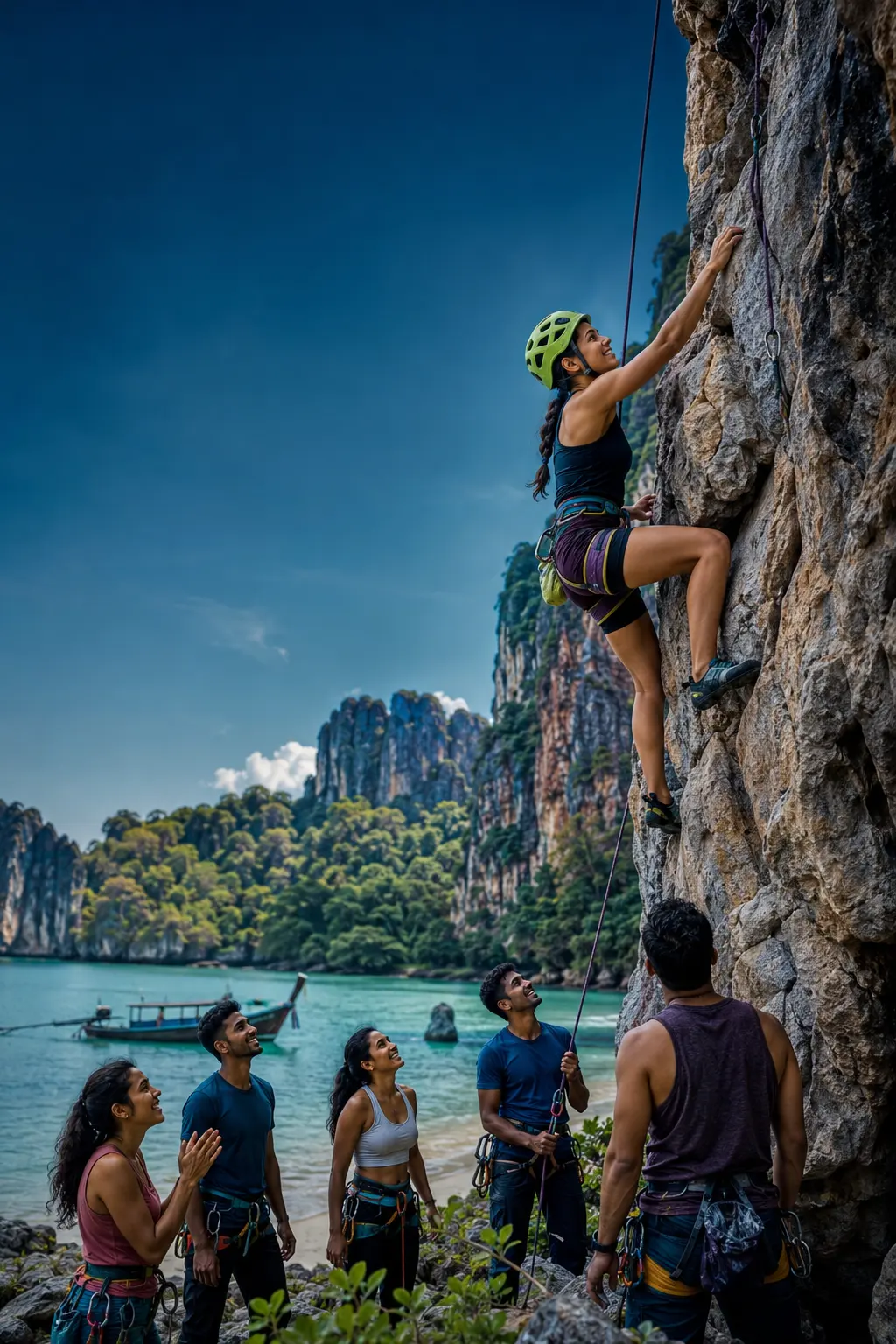
Thailand offers easy adventure for Indian travellers: rock climbing on Railay's limestone cliffs, sea kayaking through Phang Nga Bay's caves, ziplines in the forests around Chiang Mai, and white-water rafting in the north. Here is where to go, who each activity suits and the safety checks to make before you book.
 Thailand Guides
November 12, 2026•6 min read
Travel Insurance for Thailand: What Indians Should Look For
Travel insurance for Thailand matters because private hospitals can be expensive and adventure activities are common. Indian travellers should look for strong medical cover, check exclusions for scooters, diving and alcohol, understand the claims process and choose suitable cover for parents. Here is what to look for.