
Ladakh: When to Go, and How to Acclimatise Properly
- Ladakh
- India Travel
- Altitude Acclimatisation
- Himalayas
- Road Trips
Photograph by Hans-Jurgen Mager on Unsplash
Altitude decides whether your Ladakh trip is an unforgettable journey or two days spent in bed. Here is how to time your visit and acclimatise safely.
Altitude is the single factor that decides whether a Ladakh trip is an absolute pleasure or two miserable days spent in a hotel room, and most mainstream guides severely underplay it. Leh sits at roughly 3,500 metres, and your body needs proper time to adjust to the thin mountain air before you attempt high passes like Khardung La or remote lakes like Pangong Tso. If you rush the first forty-eight hours, acute mountain sickness will ground you, ruining the very itinerary you spent months planning. Beyond health, the timing of your journey determines which roads are open and which valleys are accessible. Understanding how seasonal windows interact with your physical adjustment is the foundation of a successful Himalayan expedition.
When planning your dates, the core window spans from June to September, offering the most stable conditions across the entire region. During these summer months, daytime temperatures in Leh hover between 20 degrees Celsius and 25 degrees Celsius, making outdoor exploration comfortable and predictable. Major highways from both Srinagar and Manali are fully operational, meaning you can complete a proper loop without backtracking over blocked mountain passes. The weather is predominantly dry and sunny, which suits trekking, camping, and road trips. However, July and August bring peak crowds and higher accommodation prices, so booking well in advance is essential if you travel during this period.
Shoulder months such as May and September offer a quieter alternative for travellers who prefer crisp air and fewer tourists over peak summer crowds. May brings blossoming apricot flowers and melting snow along lower valleys, though high-altitude routes can still experience temporary weather disruptions as spring transitions into summer. September is widely regarded by seasoned travellers and photographers as the finest month of the year. The post-monsoon skies are brilliantly clear, autumn colours begin to warm the poplar trees in Nubra Valley, and the tourist rush subsides significantly. Nights grow colder during September, dropping towards 5 degrees Celsius, but daytime conditions remain remarkably pleasant for long drives and outdoor walks.
Understanding the seasonal road windows
The two overland routes into Ladakh—the Srinagar-Leh highway and the Manali-Leh highway—are entirely seasonal and dictate how you enter the region. The Srinagar-Leh route typically opens earlier, often by late April or early May, after Border Roads Organisation crews clear winter snowdrifts through Drass and Kargil. This highway offers a more gradual gain in elevation, making it an excellent secondary choice for travellers concerned about altitude sickness. The Manali-Leh highway usually opens later, often by early June, as it crosses several high mountain passes exceeding 4,000 metres. Attempting to drive either route before official clearance is impossible, as massive walls of packed snow block transit until heavy machinery completes snow-clearing operations.
Winter travel from October to May is a completely different undertaking, suited only to experienced adventurers and specialist wildlife expeditions. Temperatures in Leh plummet to minus 15 degrees Celsius at night, and heavy snowfall regularly closes high-altitude passes for months at a time. During this off-season, air travel into Kushok Bakula Rimpochee Airport is the only reliable way to reach Leh, as both highway routes are firmly shut. While winter offers rare opportunities to spot snow leopards in Hemis National Park or undertake the famous Chadar Trek on the frozen Zanskar River, visitor infrastructure is minimal and many guesthouses remain closed. Most first-time visitors should avoid these winter months unless they specifically seek extreme cold-weather survival conditions.
To help you evaluate when to visit based on road conditions and atmospheric characteristics, the seasonal breakdown below outlines what to expect during each distinct period of the year. Every month brings unique challenges and distinct advantages that shape your daily routine and travel style.
| Month Range | Typical Weather & Conditions | Road & Pass Status | Best Suited For |
|---|---|---|---|
| June to September | Sunny, dry, daytime 20-25°C, night 5-10°C | All major highways and passes fully open | First-timers, road trippers, families |
| May & October | Cooler, transitional weather, crisp air | Srinagar open; Manali opens late / closes early | Photographers, budget-conscious travellers |
| November to April | Severe cold, sub-zero nights, heavy snow | Highways closed; Leh accessible by air only | Experienced winter trekkers, wildlife spotters |
The acclimatisation schedule that actually works
The single biggest mistake first-time visitors make upon flying into Leh is assuming they can check into their hotel and immediately head out for a full day of sightseeing. Flying directly from the plains to 3,500 metres bypasses the gradual ascent your body desperately needs, compressing days of natural physiological adaptation into a few hours. A proper acclimatisation schedule requires a full twenty-four to forty-eight hours of absolute rest in Leh upon arrival, with zero strenuous activity, no heavy lifting, and minimal walking. Your red blood cells need time to adjust to the lower oxygen saturation levels in the mountain air, and ignoring this biological reality frequently results in severe headaches, nausea, dizziness, and ruined holiday plans.
On your first day in Leh, stay hydrated, avoid alcohol and caffeine, eat light meals, and spend your time resting in your room or courtyard rather than walking up and down the sloping market streets. On your second day, you can undertake very light local sightseeing around Leh town, such as visiting a nearby monastery at a moderate altitude, but you must avoid climbing high staircases or rushing up hillsides. By day three, your body should feel stable enough to venture slightly further afield, perhaps towards Sham Valley or lower Indus valley monasteries, before tackling higher mountain passes like Khardung La or heading out to Pangong Lake. If you plan your travels elsewhere first, you might find inspiration in guides like our Himachal Pradesh trip planning guide to prepare for high-altitude transitions.
When symptoms of altitude sickness strike, recognise them immediately and take corrective action rather than hoping they will disappear on their own. Mild symptoms include a dull throbbing headache, slight fatigue, and shortness of breath during minor exertion, which can often be managed with rest, hydration, and over-the-counter pain relief. However, if your headache worsens, vomiting starts, you develop a dry persistent cough, or you feel confused and unsteady on your feet, these are signs of acute mountain sickness that require immediate descent to a lower altitude. Never ascend higher if you are experiencing active altitude symptoms, and always inform your group leader or driver so they can arrange prompt medical assistance or supplemental oxygen.
Itinerary order that protects your health
Structuring your daily route in the right geographic sequence is just as important as resting on your first day in Leh. Many commercial packages make the fatal error of driving straight from Leh over Khardung La to Nubra Valley or rushing to Pangong Lake within forty-eight hours of arrival, exposing unacclimatised bodies to extreme elevations above 4,000 metres. A safe itinerary always progresses from lower elevations to higher elevations, allowing your physiological adaptation to match the terrain. Begin your sightseeing in Leh and the lower Indus valley floor, which sits around 3,200 to 3,500 metres, before spending a few days building resilience before you cross any major mountain passes.
When you do venture out towards high-altitude destinations, arrange your overnight stays logically to prevent sudden altitude spikes. For instance, visiting Nubra Valley via Khardung La is often safer when scheduled after you have already spent three or four nights sleeping in Leh, because Nubra Valley sits at a lower elevation of approximately 3,048 metres, providing a gentle physiological recovery night after crossing the high pass. Conversely, staying overnight right by the lakeside at Pangong Tso, which sits at over 4,250 metres, should be saved for the latter half of your trip when your body has fully adapted to the thin atmosphere. Never make Pangong your very first overnight stop outside Leh.
A well-paced eight-day Ladakh itinerary provides the optimal balance between comprehensive sightseeing and safe altitude management without leaving you exhausted. Day one involves arrival in Leh and strict hotel rest. Day two covers gentle walking around Leh market and local monasteries like Shanti Stupa at a very slow pace. Day three takes you on a drive through Sham Valley to see Alchi and Likir monasteries at lower altitudes. Day four crosses Khardung La to sleep in the lower elevation of Nubra Valley. Day five explores Hunder sand dunes and drives towards Pangong Lake via Shyok. Day six involves waking up at Pangong and returning to Leh. Day seven acts as a buffer day for local culture, shopping, or weather delays. Day eight concludes with your departure flight.
Understanding the true financial costs
A realistic Ladakh trip budget depends heavily on whether you choose private transport, shared SUVs, or rented motorbikes, alongside your choice of accommodation style. For a standard group of four travellers sharing a private SUV across an eight-day itinerary covering Leh, Nubra, and Pangong, on-ground costs generally range from 29,000 Indian Rupees to 37,000 Indian Rupees per person. If you reduce that group size to two travellers sharing the same SUV, the per-person on-ground cost increases to between 38,000 Indian Rupees and 46,000 Indian Rupees because vehicle charter expenses are divided among fewer people. Solo travellers navigating the region on rented Royal Enfield motorcycles over a twelve-to-thirteen day circuit typically spend between 42,000 Indian Rupees and 52,000 Indian Rupees on-ground, factoring in fuel, bike maintenance, gear rentals, and basic guesthouse stays.
Accommodation styles create significant variations in your daily spending across Ladakh. Dorm-style guesthouses in Leh and popular villages charge between 600 Indian Rupees and 800 Indian Rupees per bed per night, making them ideal for budget-conscious travellers and backpackers. Traditional family homestays in remote valleys range from 1,000 Indian Rupees to 1,500 Indian Rupees per night, usually including simple home-cooked meals shared with the host family. Basic private hotel rooms in Leh run between 1,200 Indian Rupees and 2,000 Indian Rupees per night during peak season, while premium boutique properties and luxury camps near Pangong or Nubra can exceed 6,000 Indian Rupees per night. Remember that these figures cover on-ground expenses only; you must budget separately for your return flights to Leh, which fluctuate based on your departure city and how far in advance you book your seats.
Mandatory permits and environmental fees represent a fixed administrative cost that every traveller must pay before exploring restricted border zones in Ladakh. As an Indian traveller, you must pay a one-time Environment Fee of 400 Indian Rupees, a Wildlife Conservation Fee of 20 Indian Rupees per person per day, and an optional Red Cross contribution of 50 Indian Rupees at local checkpoints. Monastery entry tickets cost between 30 Indian Rupees and 50 Indian Rupees per monument. Across an eight-day trip, budget roughly 1,500 Indian Rupees per person in total for permits, checkpoint fees, and temple admissions. Always carry physical cash in small denominations of 100 and 200 Indian Rupees notes, as checkpoint guards, remote homestay owners, and monastery ticket booths rarely have change for large currency notes or reliable digital payment connectivity.
What to pack for extreme temperature swings
Packing for Ladakh requires preparing for extreme temperature swings within a single twenty-four-hour cycle, regardless of whether you travel in peak summer or the shoulder season. Even when daytime temperatures in Leh reach a comfortable 22 degrees Celsius under intense desert sunshine, the moment the sun dips behind the mountain ridges, temperatures drop sharply towards freezing. Furthermore, high mountain passes like Khardung La or Chang La feature biting, freezing winds that make ambient air feel significantly colder than thermometers suggest. Relying on a single heavy winter coat is inadequate; instead, build your wardrobe around a modular layering system that you can easily adjust as weather conditions shift throughout the day.
Your core packing list must include moisture-wicking thermal base layers, durable trekking trousers, insulating fleece pullovers or woollen sweaters, and a windproof, waterproof outer shell jacket with a secure hood. For high-altitude excursions to Pangong Lake and Nubra Valley, bring a genuine down jacket capable of handling sub-zero conditions, along with thick woollen socks, thermal gloves, a fleece-lined beanie hat that covers your ears, and UV-blocking polarised sunglasses to protect your eyes from intense glare off high-altitude snowfields and water surfaces. Sturdy, broken-in trekking boots with ankle support are essential for walking across rocky monastery staircases, uneven desert sands, and loose mountain trails.
Sun protection is another critical element of your packing strategy that many visitors overlook until it is too late. Ladakh sits at high altitude under thin atmospheric layers, meaning ultraviolet radiation is exceptionally fierce, and sunburn can occur within minutes even on cool, breezy days. Pack broad-spectrum sunscreen with a high SPF rating, lip balm with built-in UV protection, and a wide-brimmed sun hat or cap. Staying adequately hydrated in the dry mountain air requires carrying a reusable water bottle that you can refill continuously, supplemented by oral rehydration salts to replenish electrolytes lost during active days of hiking or driving across dusty high-altitude terrain.
Managing connectivity, transport and local etiquette
Mobile connectivity in Ladakh operates differently from the rest of India, and preparing for communication blackouts prevents unnecessary stress during your journey. Pre-paid mobile SIM cards purchased outside Jammu and Kashmir or Ladakh do not function across the region due to national security regulations; only postpaid mobile connections active on major networks will connect to local cell towers. Even with a valid postpaid connection, cellular coverage is largely restricted to Leh town and major transit valleys like Nubra. Once you travel into remote areas near Pangong Tso, Tso Moriri, or high mountain passes, cellular networks drop out entirely, so download offline maps, inform your family of your itinerary before departure, and carry cash for all transactions.
Transport logistics require careful coordination, particularly if you decide against joining an organised group tour. Local union taxi rates in Ladakh are strictly regulated by regional transport associations, meaning you cannot hail app-based cabs or negotiate independent street fares for sightseeing trips outside Leh. If you hire a private or shared SUV, confirm whether your vehicle and driver are permitted to cover all sectors of your itinerary, as local transport unions often restrict outsider cabs from operating on specific tourist routes like Pangong and Turtuk. Motorcyclists renting bikes in Leh must ensure their rental agreement covers mechanical breakdown assistance, check tyre treads thoroughly, and carry basic spare parts, as mechanic garages are sparse once you leave the Indus valley.
Cultural etiquette in Ladakh is rooted deeply in Tibetan Buddhist traditions, and respecting local customs ensures meaningful interactions with residents throughout your travels. When visiting monasteries, always walk around stupas and mani walls in a clockwise direction, remove your shoes before entering inner prayer halls where requested, and ask permission before photographing monks or sacred religious artefacts. Dress modestly by covering your shoulders and knees when exploring villages and religious sites. Water is an extremely precious resource across this high-altitude cold desert, so practice responsible conservation by taking short showers, turning off taps promptly, and minimising plastic waste during your stay.
Why group travel simplifies Ladakh logistics
Navigating Ladakh independently involves managing complex permit paperwork, coordinating union taxi unions, booking reliable accommodation in remote valleys, and monitoring changing weather patterns on high mountain roads. For solo travellers or couples who want to experience the region without spending hours untangling logistics, joining a well-structured group expedition offers a practical alternative. Group tours eliminate the friction of vehicle-sharing negotiations, ensure your accommodation is secured in advance across limited-capacity homestays, and provide professional oversight for high-altitude acclimatisation schedules that protect your health.
Travelling with a group also transforms the social dynamic of exploring a remote high-altitude desert, where long hours inside vehicles are balanced by shared meals and campfires under clear starry skies. If you enjoy travelling with inquisitive, like-minded adults in their twenties and thirties, joining a curated programme ensures you share the road with peers who appreciate both active adventure and thoughtful cultural exploration. Programmes like our own invite-only Curious Club design itineraries specifically around balanced pacing, avoiding the rushed mistakes that independent first-timers frequently make. For further insight into how structured group dynamics work across different destinations, explore our guide on how to choose a group trip when you're travelling solo.
Of course, group travel is not suited for every traveller type; those who prefer complete independence, flexible daily schedules, and spontaneous route changes may find fixed group itineraries restrictive. If you value absolute control over your departure times, photography stops, and daily pacing, a bespoke private itinerary planned around your exact preferences remains the superior choice. Whether you choose an independent road trip, a private tailor-made journey, or a curated group departure, the key to enjoying Ladakh lies in respecting the altitude, timing your seasonal window correctly, and allowing the raw beauty of the landscape to unfold at a sustainable pace.
Frequently asked questions
Is altitude sickness guaranteed when visiting Ladakh?
No, altitude sickness is not guaranteed, but it is common for visitors who fly directly into Leh without allowing adequate time for physiological acclimatisation. Following a strict rest schedule during your first forty-eight hours and staying properly hydrated significantly reduces your risk.
Can I use my mobile phone anywhere in Ladakh?
No, prepaid SIM cards from other Indian states do not work in Ladakh. Only postpaid connections on approved networks function, and coverage is generally limited to Leh town and major valleys, dropping out entirely in remote border areas.
What documents do Indian citizens need for permits in Ladakh?
Indian passport holders or citizens carrying valid government-issued photo identification such as a Voter ID or Aadhaar card can obtain the necessary Inner Line Permits for restricted areas through local registered tour operators or online portals.
How much cash should I carry for an eight-day trip?
You should carry enough physical cash in small denominations of 100 and 200 Indian Rupees notes to cover permits, monastery entry fees, checkpoint tolls, meals, and minor purchases in remote valleys where card machines and digital payment apps do not work due to lack of network connectivity.
Join Our Newsletter
Get destination guides, tips, and inspiration delivered straight to your inbox.
Planned properly
Bespoke journeys through the Himalayas
Every private trip we design is tailored to your pace, your comfort, and your dates, with logistics handled from arrival to departure.
Written by
BagPackerMe Editorial Team
Read More
Continue exploring
 Himachal Pradesh Guides
October 15, 2026•6 min read
Himachal Pradesh Trip Planning Guide: Routes, Seasons and Stays
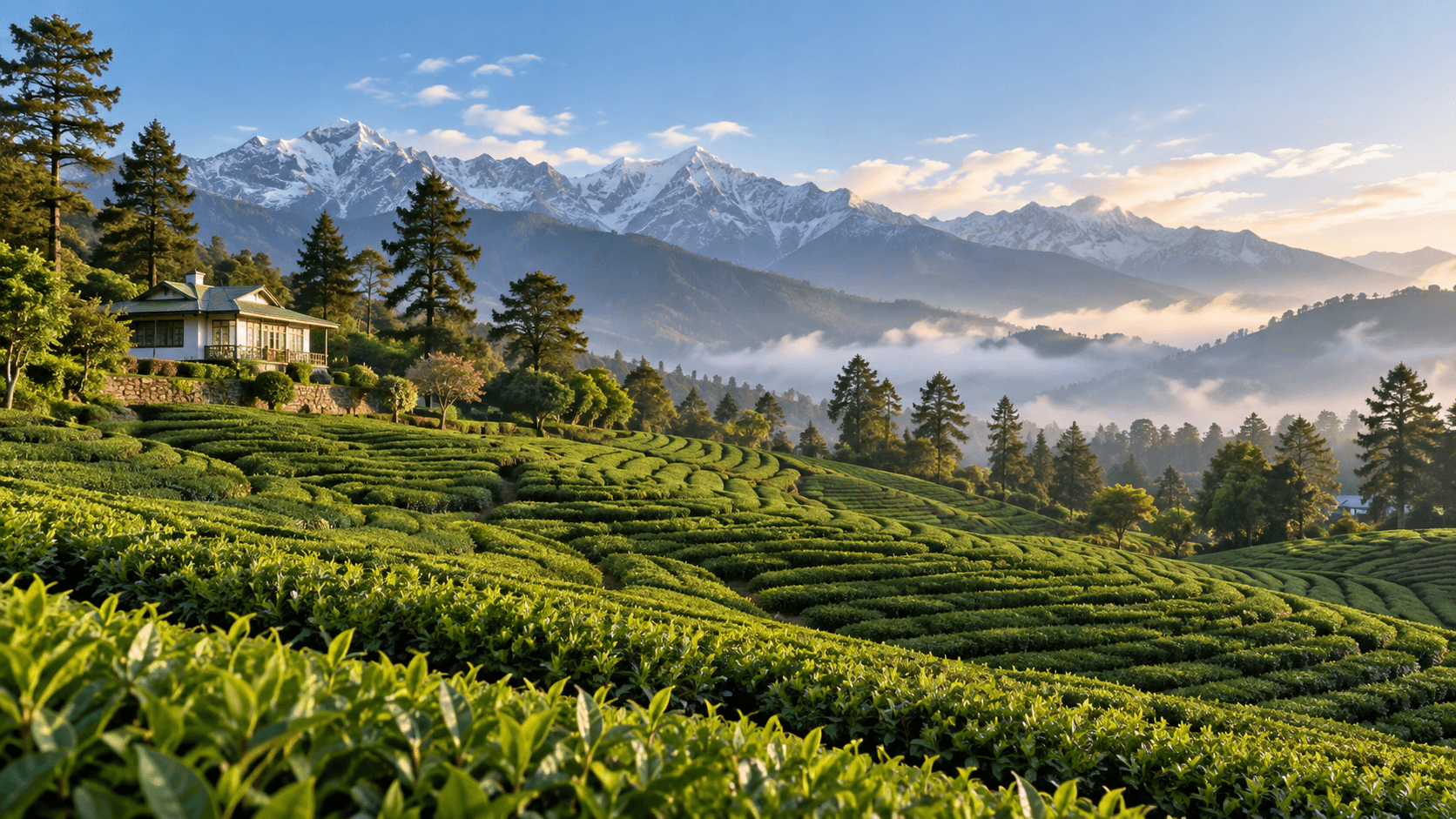
Himachal Pradesh offers mountain towns, Tibetan culture, tea gardens and orchards within reach of Delhi. Here is who it suits, how many nights, the best months, how to reach and how to plan a route without spending every day in the car.
 Group Travel
July 15, 2026•7 min read
How to Choose a Group Trip When You're Travelling Solo
A good group trip is not defined by its destination alone. Use these practical questions to check pace, people, logistics and the space you need before booking.
 Cultural Experiences
April 8, 2026•5 min read
India 2026: Travel Beyond the Familiar
This blog explores immersive experiences across India that reveal the country beyond its famous landmarks. From photography walks in Jaipur and Feni tasting in Goa to culinary workshops in Kerala,