
First Time in Italy: Choosing Between Rome, Florence and the Coast
- Europe Travel
- Italy Itinerary
- First Time Travel
- Rome Florence Venice
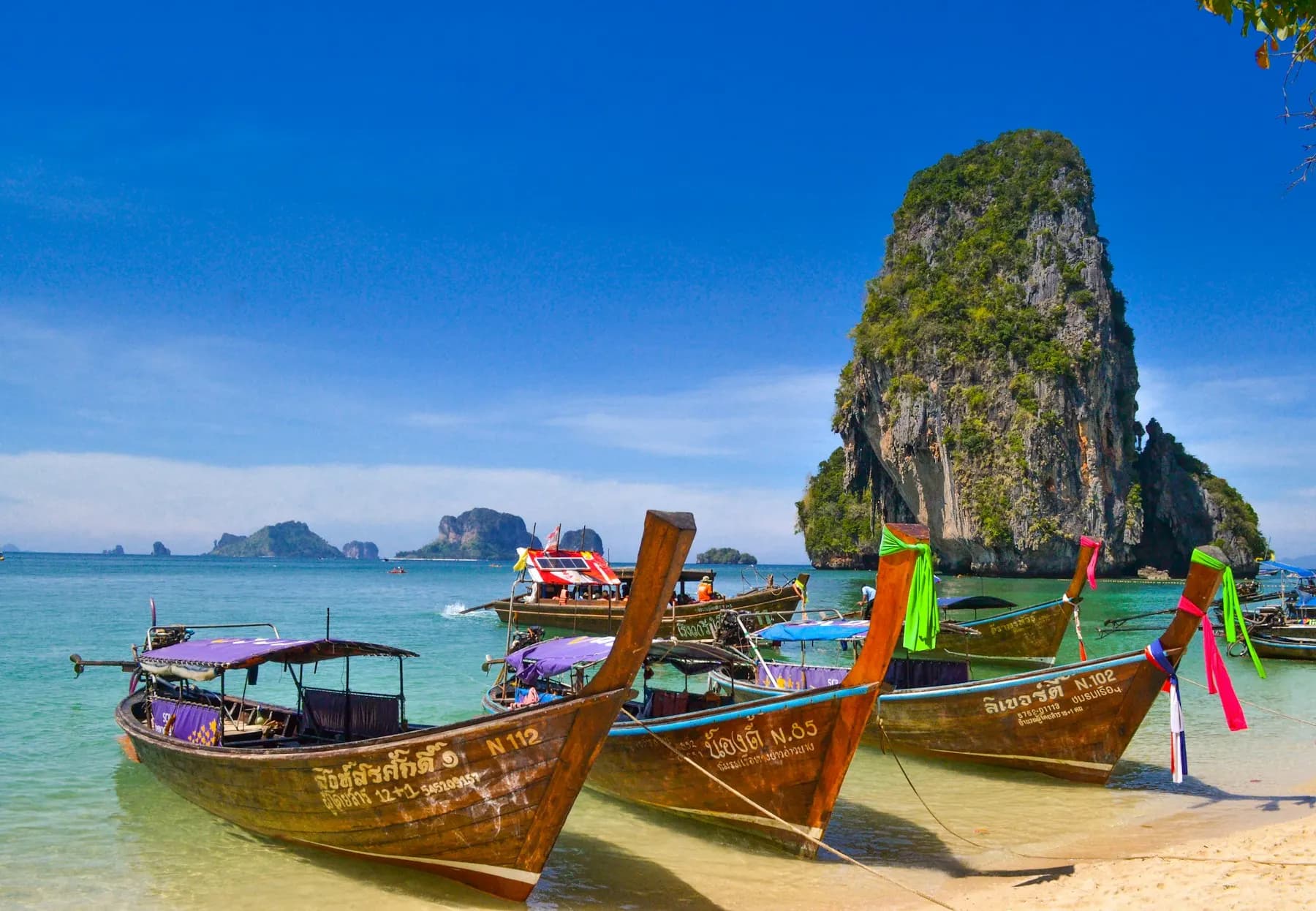
Photograph by Karsten Winegeart on Unsplash
A first Italy trip is really a choosing problem rather than a planning one. Compare Rome, Florence, Venice and the coast to see what each delivers and which combinations work.
A first trip to Italy is rarely a planning problem; it is almost always a choosing problem. Because the country packs thousands of years of layered history, distinct regional food cultures, and radically different landscapes into a relatively compact peninsula, your biggest risk is trying to see everything at once. If you attempt to cover Rome, Florence, Venice, the Amalfi Coast, and the rolling hills of Tuscany in a single week, you will spend most of your holiday looking out of train windows or standing in queues. Understanding what each region actually delivers is the only reliable way to build a route that feels satisfying rather than exhausting.
For most first-time international travellers coming from India, the classic three-city triangle of Rome, Florence, and Venice remains the most reliable baseline. This route balances ancient imperial scale, Renaissance art, and romantic canal-side wandering without requiring domestic flights or gruelling road journeys. However, if your heart is set on dramatic sea cliffs or sleepy vineyard lanes, you have to make deliberate trade-offs. This guide breaks down what Rome, Florence, Tuscany, the Amalfi Coast, and Venice actually feel like on the ground, helping you pick the right combination for your pace, your budget, and your available leave.
Rome: The heavy hitter of ancient history
Rome is overwhelming, loud, and magnificent in equal measure, making it the undisputed anchor for any first-time itinerary. If you want to stand inside the Colosseum, toss a coin into the Trevi Fountain, and explore Vatican City within the same forty-eight hours, you need to base yourself in the capital for at least three nights. Rome delivers raw scale that no other Italian city can match. You are walking over layers of imperial ruins, medieval churches, and baroque piazzas where everyday life unfolds around ancient marble columns. It suits travellers who love urban energy, dramatic historic sights, and long evening walks past illuminated monuments.
The downside of Rome is its sheer intensity. Summer temperatures climb past forty degrees Celsius, and the heavy crowds at major sites can test the patience of even seasoned travellers. To make Rome work on a first trip, you must book timed-entry tickets weeks in advance for heavy-hitters like the Colosseum, the Roman Forum, and the Vatican Museums. Avoid staying near the central railway station if you want charm; instead, look at neighbourhoods like Monti or Trastevere, where cobblestone lanes and neighbourhood trattorias offer a calmer retreat after a long day of sightseeing. Plan your days to start at dawn when the piazzas are empty, take a proper rest during the afternoon heat, and you will understand why Rome captivates millions.
Florence and Tuscany: Art, architecture and slow vineyards
Florence is a city designed to be explored entirely on foot, offering a sharp, elegant contrast to the sprawling chaos of Rome. Dominated by Brunelleschi’s terracotta dome, Florence is the cradle of the Renaissance, housing Michelangelo’s David at the Accademia Gallery and Botticelli masterpieces at the Uffizi Gallery. Two nights in the city gives you enough time to cross the historic Ponte Vecchio, climb the Giotto bell tower for panoramic views, and sample rich Tuscan cuisine. It suits travellers who prefer artistic depth, walkable medieval streets, and a slightly slower pace than the capital.
Beyond the city walls lies Tuscany, which many first-timers try to tackle via rental car. For an easier journey, you can use Florence as your transport base to take regional trains or guided day excursions out to walled hill towns like San Gimignano or Siena. Keep in mind that trying to combine Florence, a deep dive into rural Tuscany, and a coastal region like Amalfi in a single one-week trip is a logistical mistake. The transit time drains your energy. If you want countryside lanes and rolling vineyards, give Florence three nights so you can dedicate at least one full day to the Tuscan countryside without rushing back for an evening train.
Venice: Canals, bridges and the lagoon experience
Venice is entirely unique, functioning as a floating maze of canals, gondolas, and pedestrian bridges where wheeled vehicles do not exist. Spending two nights here allows you to experience the city at its best: early in the morning before the day-trippers arrive, and late at night when the lantern-lit canals fall silent. Key highlights include St. Mark’s Basilica, the soaring Campanile, and the ornate Doge’s Palace. Venice suits romantics, photography enthusiasts, and anyone who wants to experience a city shaped entirely by water and maritime history.
The common mistake travellers make with Venice is treating it as a rushed day trip from Florence. A day trip forces you into the midday crowds around St. Mark’s Square, which can make the city feel like a congested theme park. Staying overnight changes the dynamic completely, allowing you to wander aimlessly through the quieter residential districts of Cannaregio or Dorsoduro. Remember that getting around Venice means walking across dozens of arched bridges with your luggage, so pack light or arrange for water-taxi assistance if you are carrying heavy bags. When paired with Rome and Florence, Venice completes the classic first-time Italian triangle.
The Amalfi Coast: Dramatic cliffs versus logistical reality
The Amalfi Coast offers some of the most breathtaking coastal scenery in the world, with pastel-hued villages like Positano and Amalfi clinging precariously to sheer limestone cliffs above the Tyrrhenian Sea. It is a stunning addition to any Italian holiday, but it comes with severe logistical caveats that catch first-time visitors off guard. The coast has no railway line. Getting there requires taking a train to Naples or Salerno, followed by a local bus or a crowded ferry along winding, vertigo-inducing coastal roads that suffer from severe traffic jams during peak season.
Because of this travel overhead, adding the Amalfi Coast to a short trip is a frequent miscalculation. If you only have seven or ten days in total, trying to squeeze in Rome, Florence, and the Amalfi Coast means spending an entire day in transit. The Amalfi Coast suits travellers who are planning a longer stay of twelve to fourteen days, or those who want a dedicated resort-style holiday rather than a whistle-stop cultural tour. If you do go, be prepared for high accommodation prices, narrow pedestrian paths packed with tourists, and a pace that demands patience rather than ambition.
| Destination | Best For | Minimum Nights | Main Downside |
|---|---|---|---|
| Rome | Ancient ruins, grand scale, food | 3 nights | Intense summer heat, heavy crowds |
| Florence | Renaissance art, walkable streets | 2 nights | Exhibition queues, packed museums |
| Venice | Canals, romantic atmosphere | 2 nights | Expensive, bridge navigation |
| Amalfi Coast | Sea views, luxury, cliffside towns | 4 nights | Difficult transport, high costs |
Two workable itineraries for first-time visitors
Building a successful first trip means respecting transit times and choosing a route that flows logically from north to south or vice versa. The eight-day classic triangle route covers Rome, Florence, and Venice using high-speed rail, requiring minimal vacation days while delivering maximum variety. Spend three nights in Rome exploring the ancient centre, take a high-speed train north for two nights in Florence to soak up Renaissance art, and finish with two nights in Venice wandering the canals before flying out. This route is entirely car-free and relies on punctual rail connections.
If you can extend your holiday to twelve days, you unlock a more balanced pace that allows for regional exploration. A twelve-day itinerary lets you spend four nights in Rome, three nights in Florence with a dedicated day trip to rural Tuscany, two nights in Bologna for unmatched culinary experiences, and three nights in Venice. This expanded route gives you breathing room, preventing the burnout that ruins so many first-time European holidays. Every extra city you add requires an inter-city ticket and loses you a half-day in transit, which is why disciplined base selection remains your best planning tool.
Budget breakdowns and what things actually cost
Understanding the true cost of an Italian holiday helps you avoid unpleasant financial surprises. For travellers flying from India, a budget-focused seven-night Italy itinerary typically costs between ₹120,000 and ₹150,000 per person, while mid-range trips staying in three-star hotels often range from ₹150,000 to ₹180,000 all-in, including flights, visas, accommodation, food, and local transport. Return economy flights from major Indian hubs generally range from ₹44,000 to ₹62,000 depending on booking lead times and whether you choose direct or one-stop carriers. Hostels or budget guesthouses average around ₹2,500 per night, whereas comfortable mid-range double rooms climb to ₹6,000 to ₹12,000 nightly.
Schengen visa paperwork requires careful planning and an upfront outlay for embassy fees and service charges, while daily food expenses vary depending on whether you eat at casual bakeries and neighborhood trattorias or sit-down tourist restaurants. Keep in mind that tourist hotspots like Venice and the Amalfi Coast carry a significant price premium for meals and accommodation compared to cities like Bologna or regional Tuscany. Booking your high-speed train tickets well in advance through Trenitalia or Italo also unlocks substantial discounts compared to purchasing tickets on the day of travel.
Crowds, heat, and seasonal realities
The time of year you choose to visit Italy will dictate your entire experience, influencing crowd sizes, ticket availability, and daily comfort. The peak summer months of July and August bring brutal heatwaves, stifling humidity, and massive tourist hordes, particularly in Rome and along the coast. Prices for flights and hotels surge by thirty to fifty per cent, and sightseeing during midday hours can feel like an endurance test. If you must travel in summer, ensure your accommodation features reliable air conditioning and plan your outdoor exploring for early mornings and late evenings.
The optimal window for a first trip is during the shoulder seasons of April to May and September to October. During these months, the weather remains pleasantly mild, daylight hours are long, and the suffocating crowds thin out enough to let you actually enjoy the monuments. Before you go, familiarise yourself with local customs: learn basic Italian greetings like “buongiorno” and “grazie”, respect church dress codes by keeping your shoulders and knees covered in places like St. Peter’s Basilica, and remember that local lunch hours run strictly between 1 pm and 3 pm. Avoiding rookie mistakes—such as renting a car inside historic city centres or relying solely on cash—will ensure your first Italian adventure unfolds smoothly.
Frequently asked questions
Is one week enough time for a first trip to Italy?
One week is enough to cover the core highlights of Rome, Florence, and Venice if you keep a disciplined pace and use high-speed trains between cities. However, it will feel rushed, leaving little room for spontaneity. If you can stretch your holiday to ten or twelve days, you will enjoy a much more balanced experience without living out of a suitcase.
Should I rent a car to explore Italy on my first visit?
No. Renting a car for a first-time city trip is unnecessary and creates major headaches regarding narrow historic centres, restricted traffic zones known as ZTLs, and expensive parking. High-speed rail networks connect Rome, Florence, Bologna, and Venice efficiently, while regional trains and organised day excursions handle rural travel far better.
When is the best time of year to visit Italy?
The shoulder seasons of April to May and September to October offer the best combination of mild weather, manageable crowds, and reasonable prices. July and August bring intense heat and heavy tourist crowds, making sightseeing exhausting unless you plan carefully around the midday sun.
How do I avoid long queues at major Italian sights?
You must book timed-entry tickets online weeks in advance for popular attractions like the Colosseum, the Vatican Museums, the Uffizi Gallery, and the Accademia. Turning up without pre-booked tickets during peak season often results in hours of waiting or being turned away entirely.
Join Our Newsletter
Get destination guides, tips, and inspiration delivered straight to your inbox.
Planned properly
Let us design your bespoke Italian journey
Skip the generic routes and let our trip-planning studio craft a tailor-made itinerary that matches your pace, your interests, and your budget.
Written by
BagPackerMe Editorial Team
Read More
Continue exploring
 Europe Guides
October 2, 2026•11 min read
What a Switzerland Trip Really Costs From India
A realistic, category-by-category breakdown of what a Switzerland trip actually costs from India in INR, covering flights, rail passes, accommodation, and hidden expenses.
 First International Trips
August 22, 2026•13 min read
Your First International Group Trip: Everything You Need to Know
Your first international group trip does not need to be complicated. It needs good documents, honest budgeting, clear arrival information and a format that makes you comfortable.
 Travel Communities
August 27, 2026•9 min read
Why Some of Your Best Travel Memories Start With Complete Strangers
The people you meet on a trip do not need to become lifelong friends for the shared moment to matter. Here is why unfamiliar company can make a place feel more vivid.