Gujarat Trip Planning Guide: Routes, Seasons and Stays
- Gujarat
- Gujarat tour
- Rann of Kutch
- Ahmedabad
- Gir
Gujarat offers the white salt desert of the Rann of Kutch, Asiatic lions at Gir, Ahmedabad's old city and some of India's richest textile traditions. Here is who it suits, how many nights, the best months and a sample route.
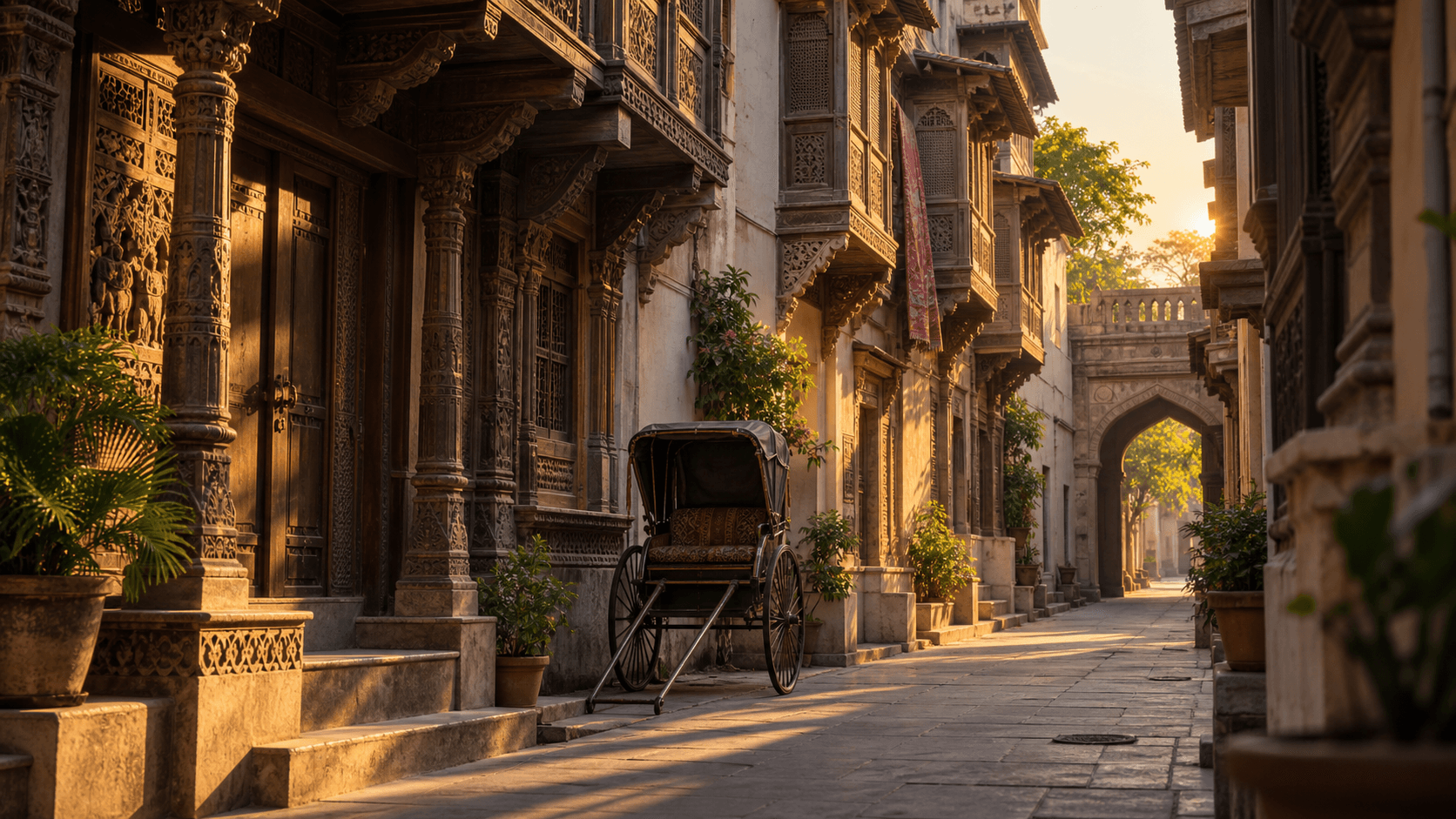
Gujarat is one of India's most distinctive states to explore: the luminous white salt desert of the Rann of Kutch, the only wild Asiatic lions in the world at Gir, Ahmedabad's UNESCO-listed old city, ancient stepwells and some of the country's richest craft and textile traditions. Plan six or seven nights for Ahmedabad, Kutch and one more region, travel between November and February, and allow for long drives across a large state.
Gujarat is often overlooked by Indian travellers, who tend to know it for business rather than holidays. Yet it combines heritage, wildlife, pilgrimage and craft in a way few states can. This guide covers who Gujarat suits, the main regions, when to go, how to reach, food and a sample route.
Who Gujarat suits
- Craft and textile lovers: bandhani, ajrakh block printing, Patola weaving, mirror embroidery and Rogan art.
- History and architecture lovers: Ahmedabad's pols, Rani ki Vav, the Modhera Sun Temple, Champaner and Dholavira.
- Wildlife enthusiasts: Asiatic lions in Gir, wild asses in the Little Rann, flamingos and migratory birds.
- Families and pilgrims: Dwarka, Somnath and Palitana for spiritual journeys.
- Vegetarian travellers: Gujarat is one of the easiest states in India for vegetarian and Jain food.
The main regions
| Region | Highlights | Nights |
|---|---|---|
| Ahmedabad | Heritage walk through the pols, Sabarmati Ashram, Adalaj and Rani ki Vav stepwells, Modhera | 2 |
| Kutch | White Rann, Bhuj palaces, craft villages, Dholavira, Mandvi | 3 |
| Little Rann | Wild ass sanctuary, salt pans, birdlife | 1 |
| Gir | Lion safaris, forest lodges | 2 |
| Saurashtra coast | Somnath, Dwarka, Diu, Porbandar | 2–3 |
| Central and south | Champaner-Pavagadh, Vadodara's palaces, Statue of Unity | 1–2 |
The Rann of Kutch and its villages
The White Rann near Dhordo is one of India's most extraordinary landscapes: a vast, flat expanse of salt that glows at sunset and under a full moon. Visit between November and February, when the salt crust is dry. A permit is needed to enter, usually arranged online or at the checkpost on the way. Beyond the Rann, Kutch is a region of craft villages — Hodka, Bhujodi, Nirona and Ajrakhpur — where you can meet artisans working in embroidery, weaving, ajrakh printing, bell-making and Rogan painting. Bhuj's Aina Mahal and Prag Mahal tell the story of the region's royal past. Dholavira, a Harappan city and a UNESCO World Heritage Site, is a long but rewarding day trip.
Our Timeless Textile Traditions of Gujarat is built around these craft villages and the people behind them.
When to go
November to February is the best time for Gujarat, with cool, dry weather ideal for the Rann, heritage walks and safaris. Navratri, usually in September or October, is Gujarat's biggest festival, with nine nights of garba and dandiya across the state. Uttarayan, the kite festival on 14 January, fills Ahmedabad's skies. March to June is hot, though it is a good time for lion sightings at Gir. The monsoon, July to September, brings greenery but closes Gir's safaris.
How to reach
Ahmedabad's Sardar Vallabhbhai Patel International Airport has flights from all major Indian cities, and fast trains link Ahmedabad with Mumbai. Bhuj has an airport with limited flights for Kutch, and Rajkot and Diu serve Saurashtra. Within Gujarat, a private car with a driver is the most practical way to travel, given long distances between regions. Gir is roughly six hours from Ahmedabad by road.
Food in Gujarat
Gujarati food is largely vegetarian and gently sweet. A traditional Gujarati thali brings dal, kadhi, several vegetables, rotli, rice and farsan in one sitting. Try dhokla, khandvi, thepla, fafda and jalebi, undhiyu in winter, and Kutchi dabeli. Jain food is understood almost everywhere. Ahmedabad's Manek Chowk transforms into a food market at night. Note that Gujarat is a dry state: alcohol is available only to permit holders.
A sample seven-night route
| Nights | Base | Highlights |
|---|---|---|
| 1–2 | Ahmedabad | Heritage walk, Sabarmati Ashram, Adalaj stepwell, Calico Museum (by prior booking), Manek Chowk |
| 3 | Little Rann or Patan | Rani ki Vav, Modhera Sun Temple, wild ass safari |
| 4–6 | Bhuj and the Rann | Palaces, craft villages, sunset on the White Rann |
| 7 | Mandvi or Ahmedabad | Vijay Vilas Palace and the beach, or return |
Our Gujarat's Regal Heritage Expedition covers the state's palaces and history, and Ahmedabad: Heritage, Handcraft and History is a shorter break focused on the city.
Gir and the lions
Gir National Park and Wildlife Sanctuary is the last home of the Asiatic lion in the wild, and a conservation success story: careful protection has helped the population grow over the past decades. Safaris run in jeeps on set routes through dry deciduous forest, with leopards, sambar, spotted deer, nilgai, crocodiles and many bird species also present. Permits are booked through the official Gir booking portal and sell out quickly in peak months, especially around Diwali and in winter. The Devalia Safari Park, a fenced area within Gir, offers shorter drives and is useful when permits for the main park are unavailable.
Gir combines well with Somnath, about an hour and a half away, home to one of the twelve Jyotirlingas, and with Diu's beaches and Portuguese fort. Dwarka, one of the Char Dham, sits further west on the coast near Bet Dwarka.
With parents and children
Gujarat works well for families: food is easy, roads are good and many sights are accessible. Rani ki Vav and Adalaj involve steps down into the stepwells, so older travellers may prefer to view from the top. In Kutch, sunset walks on the White Rann can be done by camel cart or on foot. Children usually love the lion safaris at Gir, the kite festival and the craft workshops, where they can try printing or weaving.
Practical tips
- Carry original ID for Rann permits and Gir safaris.
- Book Gir safari permits as early as possible through the official portal.
- Buy textiles directly from artisans or recognised cooperatives.
- Dress modestly at temples, and respect Jain temple rules on leather and food.
- Pack warm layers for desert nights in December and January.
Gujarat pairs well with Rajasthan; see our Rajasthan planning guide for ideas. With one named planner and WhatsApp support throughout, permits, safaris and artisan visits are arranged so you can focus on the craft and the landscapes.
Your questions, answered
How many days are enough for Gujarat?
Six or seven nights covers Ahmedabad, Kutch and either Gir or the Saurashtra temples. Ten nights lets you see Ahmedabad, Kutch, Gir, Somnath and Dwarka without rushing.
When is the best time to visit the Rann of Kutch?
November to February is best, when the salt flats are dry and white and the weather is cool. The Rann Utsav festival with its tent city usually runs during this period; check current dates before booking.
Do you need a permit for the Rann of Kutch?
A permit is required to visit the White Rann near Dhordo and some border areas. It is usually issued online or at a checkpost on the way; carry original ID. Your planner or hotel can arrange it.
When can you see lions at Gir?
Gir National Park's safaris generally run from mid-October to mid-June, closing during the monsoon. March to May offers the best sightings as vegetation thins. Book permits through the official Gir booking portal.
Join Our Newsletter
Get destination guides, tips, and inspiration delivered straight to your inbox.
Gujarat, privately planned
Craft, heritage and the white desert
From Ahmedabad's heritage walks to Kutch's textile villages and royal palaces, we plan Gujarat privately with a driver, handpicked stays and expert local guides.
Written by
BagPackerMe Editorial Team
Read More
Continue exploring
 Rajasthan Guides
October 14, 2026•6 min read
Rajasthan Trip Planning Guide: Routes, Seasons and Stays
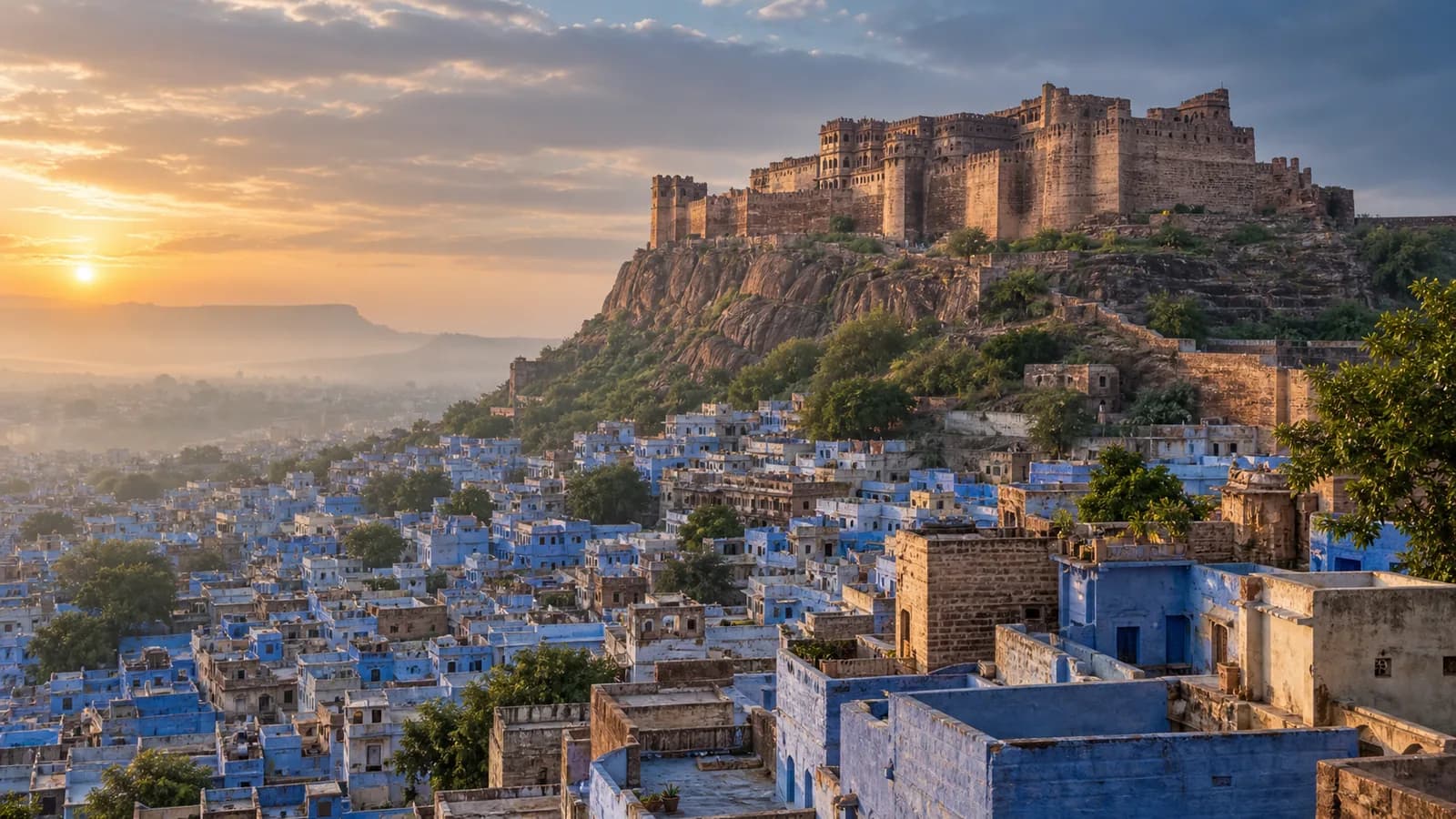
Rajasthan is India's great road trip of forts, palaces, deserts and wildlife. Here is who it suits, how many nights, the best months, how to reach, where to stay and how to build a route that is not too rushed.
 Meaningful Travel
September 18, 2026•8 min read
How to Find Travel Experiences That Aren’t on Every Tourist Itinerary
A unique experience is not automatically the least-known one or the most expensive one. It is something with genuine local context, clear expectations and room to be present.
 Meaningful Travel
September 15, 2026•7 min read
21 Experiences Worth Travelling for in Your 20s and 30s
The trips that stay with you are rarely about collecting the most places. They make room for perspective, people, uncertainty and a more deliberate pace.